Hives Introduction
We recently introduced bee hives from where we get the richest honey! Besides this – and among other benefits – they promote the growth and reproduction of our plants through the pollination process.
Pollinators, like all insects, are increasingly under threat due to climate change, deforestation, and agricultural intensification.
But on regenerative farms, like ours, the buzz resturns – literally.
🐝 Bees are more than beautiful – they provide essentitial services to resilient food systems and climate balance. Bees contribute to food production both environmentally and economically. And they can only thrive when we give them space to be.
🐝 Bees return when fields are full of:
• Diverse crops and cover crops
• Flowering plants and wild edges
• Shelter for ground-nesting bees and insects
At La Delia Verde we are protecting populations of pollinators, on-farm, by increasing habitat and reducing impact.
The sound of bees is a sign of life, resilience, and balance. Let’s bring back the buzz.


More News From the
Lab Without a Roof
As Europe goes through one of the most severe heat waves in recent times, it becomes harder to keep looking the other way. Two years ago something similar happened in Argentina and the Southern Cone. Time and again, the story keeps being told around the globe. Extreme heat is no longer a regional event. It is a shared reality.
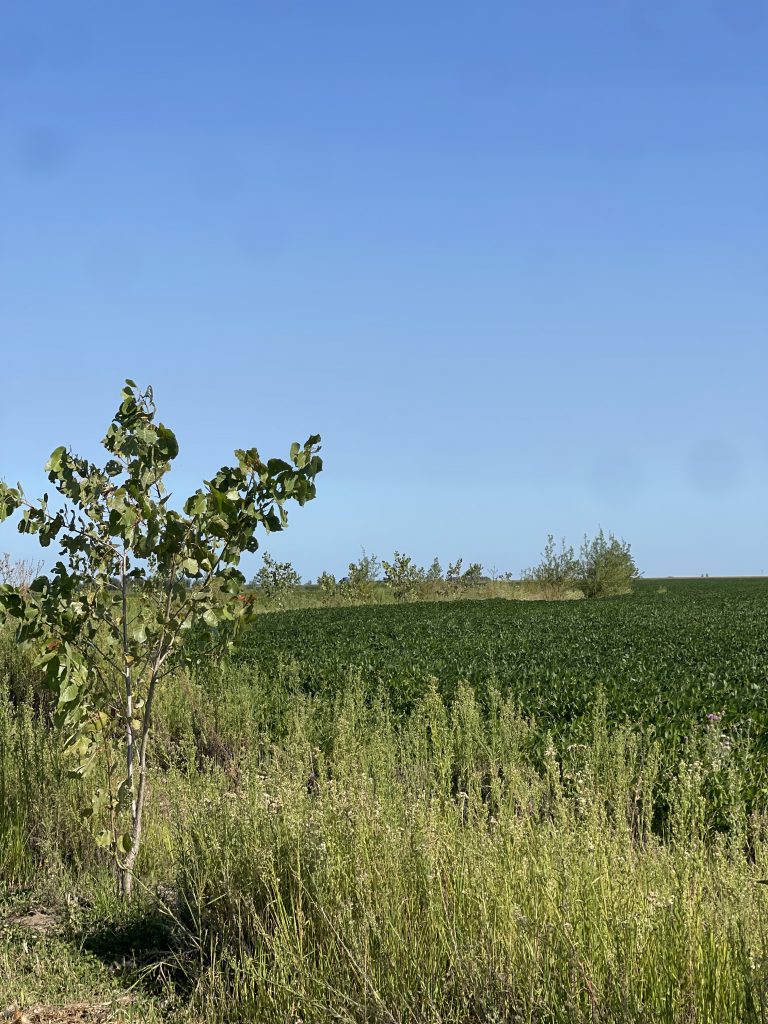
When we talk about carbon removal, most of the attention goes to trees. But some of the most important work is happening beneath our feet, in the soils of the world’s grasslands — including the very ground on which La Delia Verde is rooted.
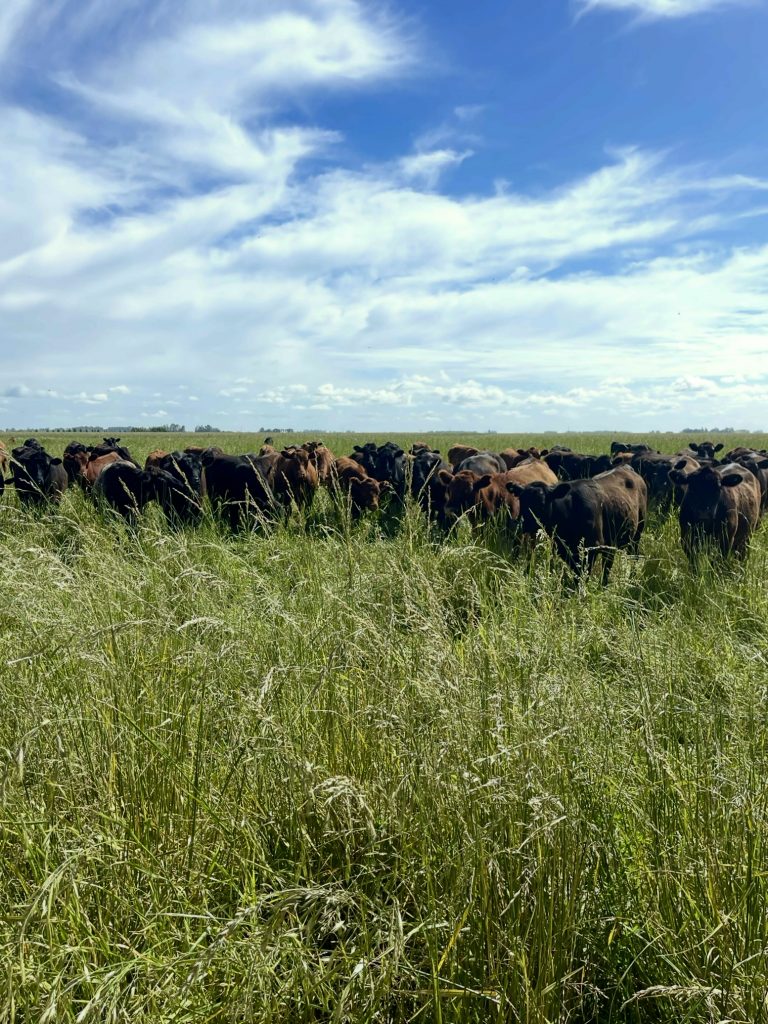
As we feed the soil, we also feed our social field — and it is growing in both width and depth every single day. Regeneration, at La Delia Verde, it is the slow, deliberate weaving of a living web of relationships that sustains the work above and below ground.
Did you know today’s food has fewer nutrients than it did 50 years ago? Studies show 30 to 50% losses in essential vitamins and minerals — iron, zinc, calcium, vitamin C, and B vitamins among them. The reason is not accidental: it lies beneath our feet, in the soil that grows our food.
As Europe goes through one of the most severe heat waves in recent times, it becomes harder to keep looking the other way. Two years ago something similar happened in Argentina and the Southern Cone. Time and again, the story keeps being told around the globe. Extreme heat is no longer a regional event. It is a shared reality.
When we talk about carbon removal, most of the attention goes to trees. But some of the most important work is happening beneath our feet, in the soils of the world’s grasslands — including the very ground on which La Delia Verde is rooted.
As we feed the soil, we also feed our social field — and it is growing in both width and depth every single day. Regeneration, at La Delia Verde, it is the slow, deliberate weaving of a living web of relationships that sustains the work above and below ground.
Did you know today’s food has fewer nutrients than it did 50 years ago? Studies show 30 to 50% losses in essential vitamins and minerals — iron, zinc, calcium, vitamin C, and B vitamins among them. The reason is not accidental: it lies beneath our feet, in the soil that grows our food.