The Social Field of Regeneration
As we feed the soil, we also feed our social field — and it is growing in both width and depth every single day. Regeneration, at La Delia Verde, it is the slow, deliberate weaving of a living web of relationships that sustains the work above and below ground.
Feeding the soil, feeding the social field
In a healthy soil, nothing stands alone. Roots, microbes, fungi, insects, water and air move in relationship — and it is that relational density, not any single element, that makes the soil come alive.
The same is true above ground. A regenerative operation cannot be sustained by a single team, no matter how technically capable. It requires strategic partners, trusted colleagues, engaged neighbors, and a community of supporters — each contributing to the field of relationships that makes the work possible.
We call this our social field, and we care for it the same way we care for the soil: with patience, consistency, and the understanding that what grows takes time.
Change happens through consistency and collective action
Real change in agriculture — the kind that outlives cycles, market shifts, and the enthusiasm of a single season — comes from consistency repeated across years, and collective action repeated across people.
The transitions we are living through — soil regeneration, animal welfare, nutrient density, climate resilience — are too large and too interconnected to be tackled alone. They demand a way of working where partners, producers, researchers, and institutions move together, even when they move at different rhythms.
The people behind our work
Our core team is only the visible layer of a much wider fabric. Behind every practice we implement, there are relationships that make it possible: the experts in the agricultural sector, the scientific counsel from institutions we work with, the voices of neighboring producers who share what they see on their land, and the community of supporters who follow, ask, and challenge us to keep growing.
Each of them is part of the story. Each conversation, visit, exchange, and shared decision adds a thread to the web that holds everything together. From the tiniest shifts to cultivating a shared field of the future, everything becomes stronger when we do it together.
The invisible roots of regeneration
Not everything that sustains a system is visible. In healthy soil, the mycelial networks that connect plants underground do the quiet work of translating minerals, water, and information across species. Nothing above ground would thrive without them.
Our relationships work the same way. They are the invisible roots of our regenerative practice — the trust, the calls, the long conversations, the moments of shared learning that never make it into a report but shape every decision we make.
This is a crucial part of regeneration for us: nurturing the invisible roots that make everything else possible.
Want to be part of the conversation? Subscribe to our newsletter and follow our regenerative journey.
pañá nuestro camino regenerativo.
More News From the
Lab Without a Roof
As Europe goes through one of the most severe heat waves in recent times, it becomes harder to keep looking the other way. Two years ago something similar happened in Argentina and the Southern Cone. Time and again, the story keeps being told around the globe. Extreme heat is no longer a regional event. It is a shared reality.
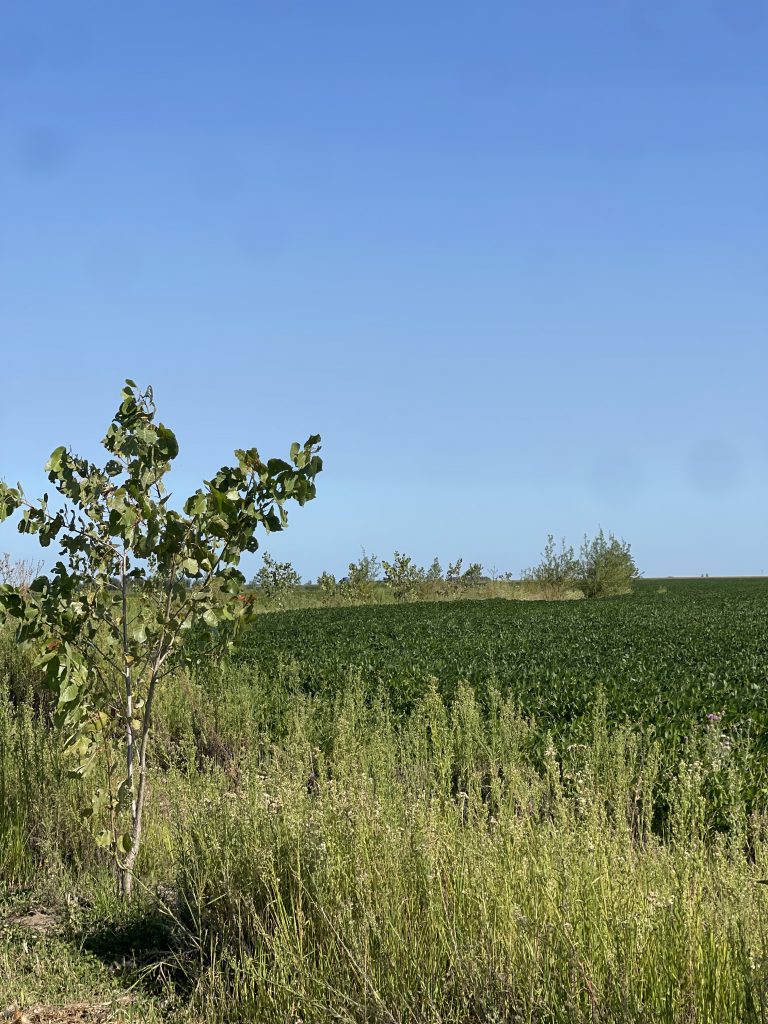
When we talk about carbon removal, most of the attention goes to trees. But some of the most important work is happening beneath our feet, in the soils of the world’s grasslands — including the very ground on which La Delia Verde is rooted.
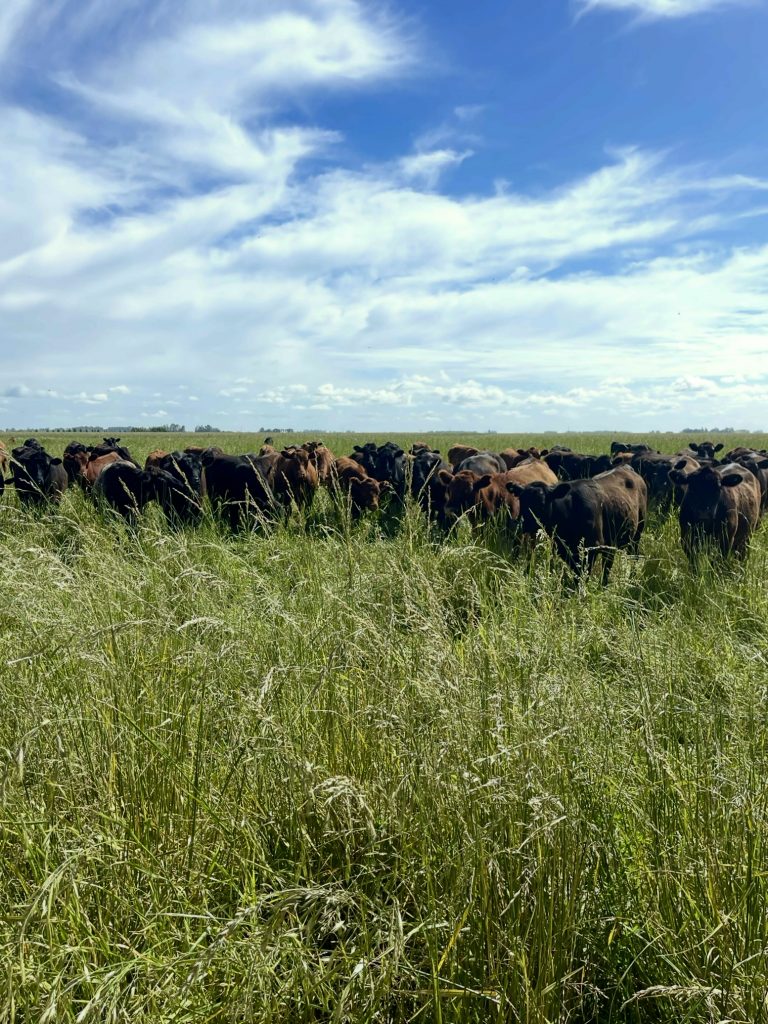
Did you know today’s food has fewer nutrients than it did 50 years ago? Studies show 30 to 50% losses in essential vitamins and minerals — iron, zinc, calcium, vitamin C, and B vitamins among them. The reason is not accidental: it lies beneath our feet, in the soil that grows our food.
At La Delia Verde we are passionate about systemic change in the agri–food–health sector, and we work daily to make it happen.
People often ask us: “How do you know regenerative agriculture works?” We know because we work, we observe, and we measure.
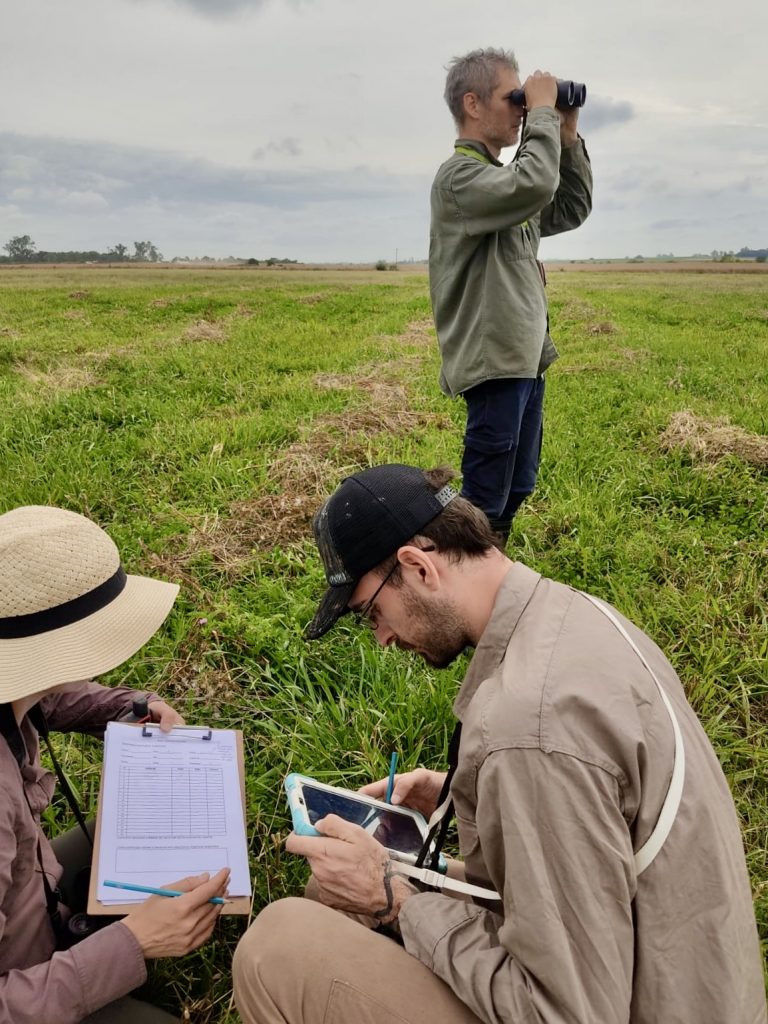
Recently, we took part in a pilot case study done by CampoGIS and funded by 5th World, aimed at exploring how different farming systems impact biodiversity in the Pampas region of Argentina. Eight farms, conventional, organic, and regenerative, were observed using field indicators such as:
🕸️ Arthropods | 🐸Amphibians | 🐝 Pollinators | 🦅 Birds | 🌳 Vegetation | 🌱 Land cover
As Europe goes through one of the most severe heat waves in recent times, it becomes harder to keep looking the other way. Two years ago something similar happened in Argentina and the Southern Cone. Time and again, the story keeps being told around the globe. Extreme heat is no longer a regional event. It is a shared reality.
When we talk about carbon removal, most of the attention goes to trees. But some of the most important work is happening beneath our feet, in the soils of the world’s grasslands — including the very ground on which La Delia Verde is rooted.
Did you know today’s food has fewer nutrients than it did 50 years ago? Studies show 30 to 50% losses in essential vitamins and minerals — iron, zinc, calcium, vitamin C, and B vitamins among them. The reason is not accidental: it lies beneath our feet, in the soil that grows our food.
At La Delia Verde we are passionate about systemic change in the agri–food–health sector, and we work daily to make it happen.
People often ask us: “How do you know regenerative agriculture works?” We know because we work, we observe, and we measure.
Recently, we took part in a pilot case study done by CampoGIS and funded by 5th World, aimed at exploring how different farming systems impact biodiversity in the Pampas region of Argentina. Eight farms, conventional, organic, and regenerative, were observed using field indicators such as:
🕸️ Arthropods | 🐸Amphibians | 🐝 Pollinators | 🦅 Birds | 🌳 Vegetation | 🌱 Land cover