The Nutrient Density Crisis: How Regenerative Farming Restores the Food We Eat
Did you know today’s food has fewer nutrients than it did 50 years ago? Studies show 30 to 50% losses in essential vitamins and minerals — iron, zinc, calcium, vitamin C, and B vitamins among them. The reason is not accidental: it lies beneath our feet, in the soil that grows our food.
Depleted soils, depleted food
Decades of industrial agriculture have stripped life from the soil. Practices designed to maximize short-term yields — heavy tillage, synthetic inputs, monocultures — have degraded the biological systems that transfer minerals and nutrients into crops and, through them, into animals and people.
When soils are degraded, food loses taste, aroma, and nutrition. That familiar experience of a “tomato that tastes like nothing” is not random. It is a clear sign of low nutrient density, and it points to a food system that has stopped delivering what it once did.
Regenerative Agriculture: a proven path to reversal
Regenerative Agriculture is not just an alternative to industrial farming. It is a necessary response — a set of integrative practices that rebuild organic matter, restore microbial life, and repair the biological cycles that industrial farming has interrupted.
Rich, healthy soils are home to vibrant microbial communities that decompose organic matter and unlock vital nutrients for plant growth. When those communities are protected and encouraged — through cover crops, integrated livestock, minimal tillage, and biodiversity — crops and animals become naturally richer in vitamins, minerals, and antioxidants.
Nutrient density is more than a nutrient count
Beyond individual vitamins and minerals, Regenerative Systems enhance overall nutrient density — a comprehensive measure of food quality that reflects the interplay of thousands of compounds within a food. Nutrient-dense food supports immune health, metabolic function, and long-term disease prevention.
This is why the conversation about soil health is not only an agronomic conversation. It is a public health conversation, and it starts with the choices made on every farm.
Our commitment at La Delia Verde
We are taking action where it matters most: long-term investment in soil health. Cover crops, multi-species pastures, integrated livestock, minimal disturbance, and diversity across the landscape are not marketing terms — they are daily practices that rebuild the biological foundation of our food.
Because the connection between soil, plants, animals, and people is undeniable. By restoring it, we are cultivating a stronger, more resilient food system — one that supports all forms of life, both above and below ground.
More News From the
Lab Without a Roof
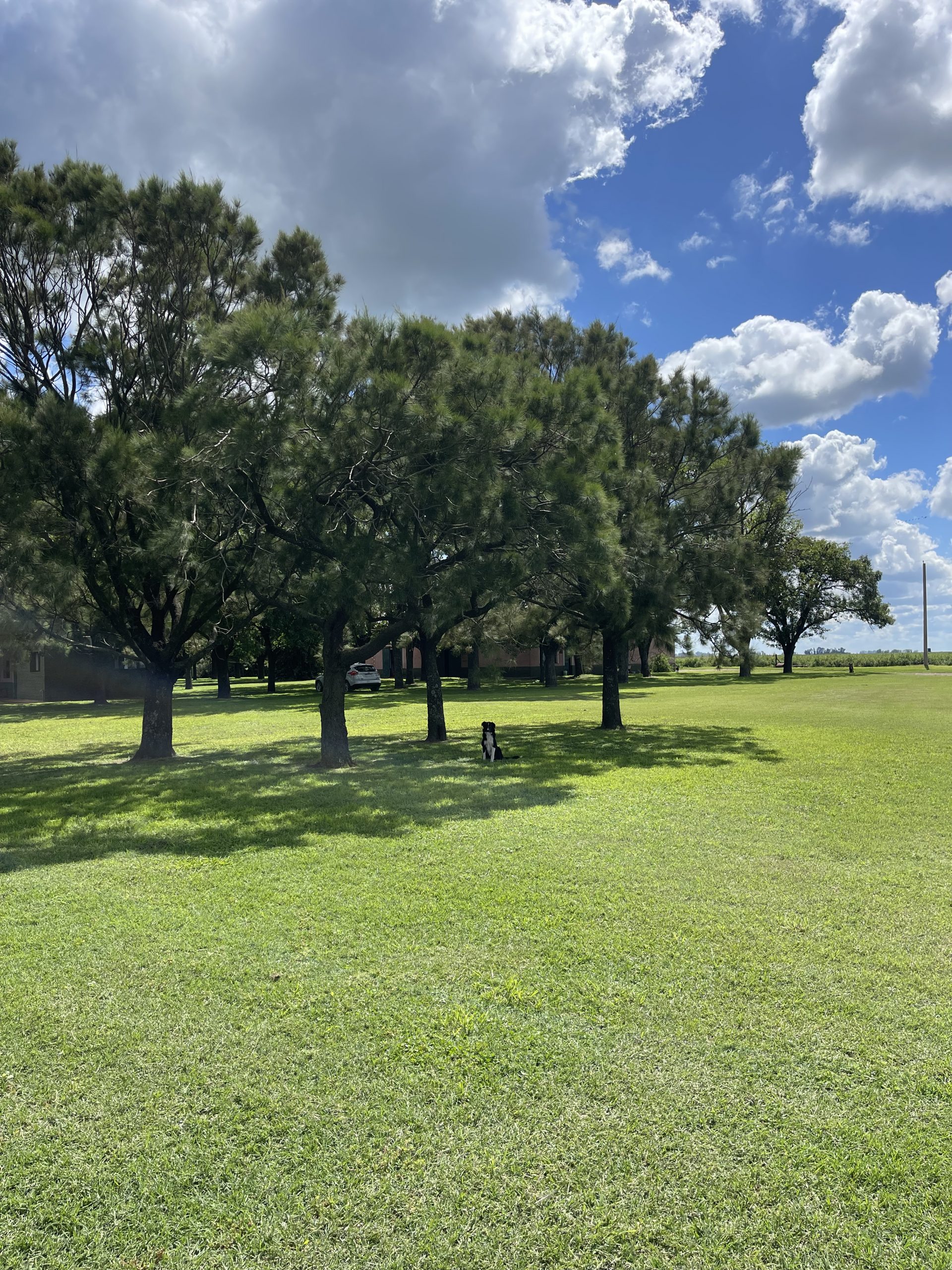
As Europe goes through one of the most severe heat waves in recent times, it becomes harder to keep looking the other way. Two years ago something similar happened in Argentina and the Southern Cone. Time and again, the story keeps being told around the globe. Extreme heat is no longer a regional event. It is a shared reality.
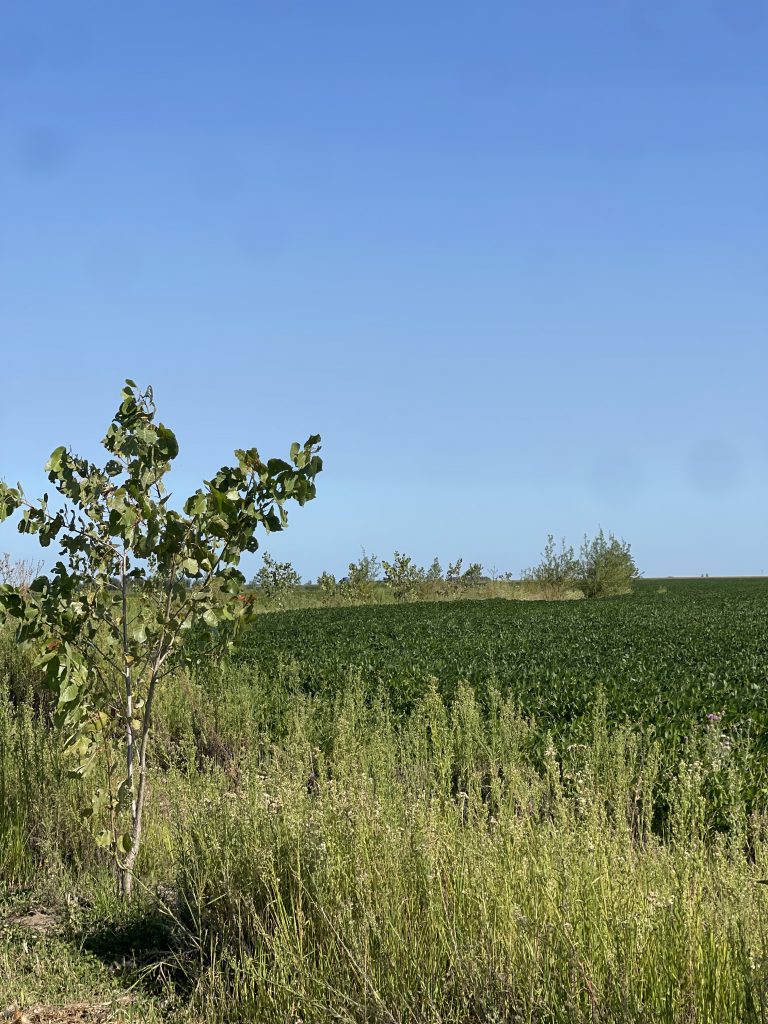
When we talk about carbon removal, most of the attention goes to trees. But some of the most important work is happening beneath our feet, in the soils of the world’s grasslands — including the very ground on which La Delia Verde is rooted.
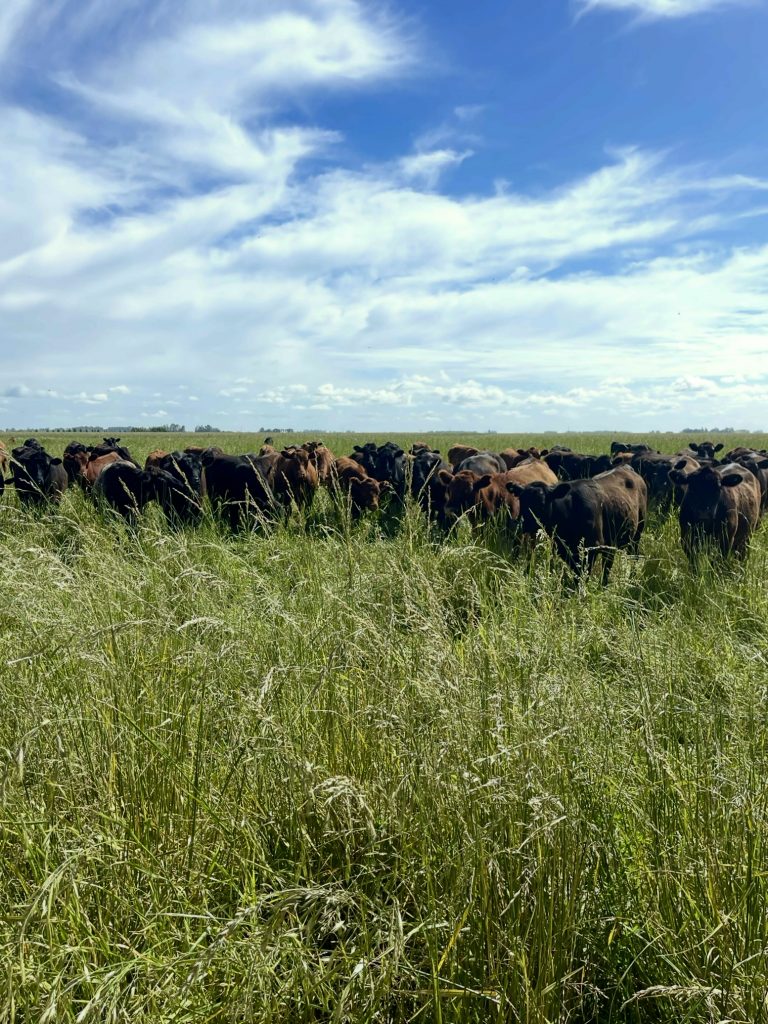
As we feed the soil, we also feed our social field — and it is growing in both width and depth every single day. Regeneration, at La Delia Verde, it is the slow, deliberate weaving of a living web of relationships that sustains the work above and below ground.
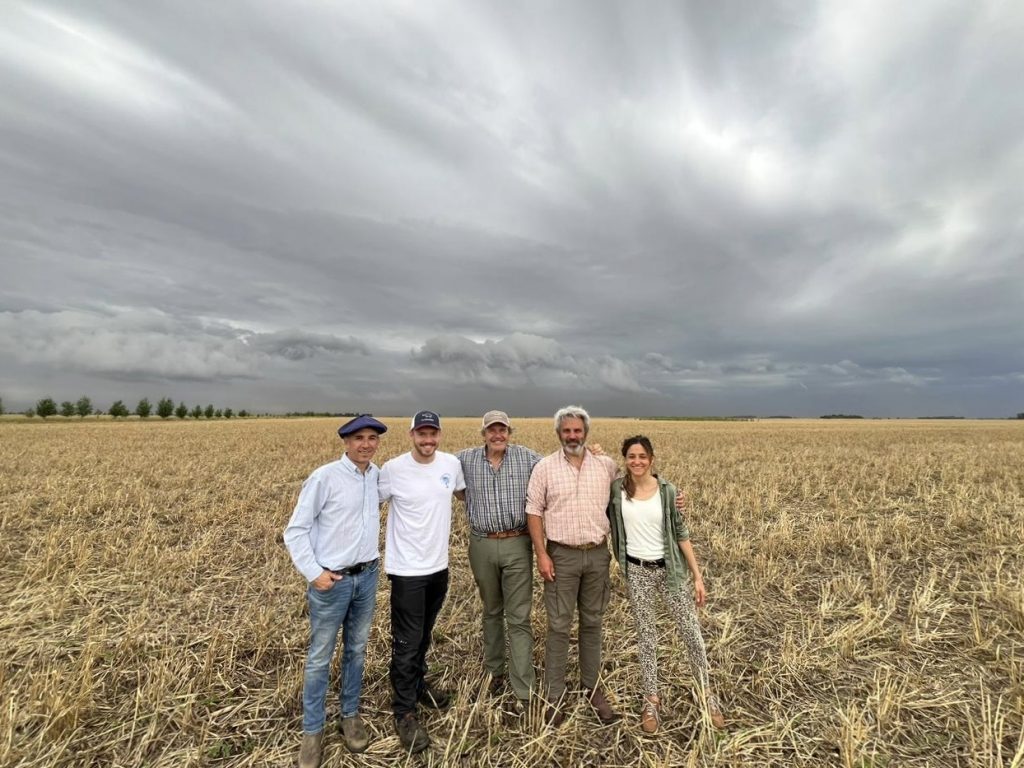
At La Delia Verde we are passionate about systemic change in the agri–food–health sector, and we work daily to make it happen.
People often ask us: “How do you know regenerative agriculture works?” We know because we work, we observe, and we measure.
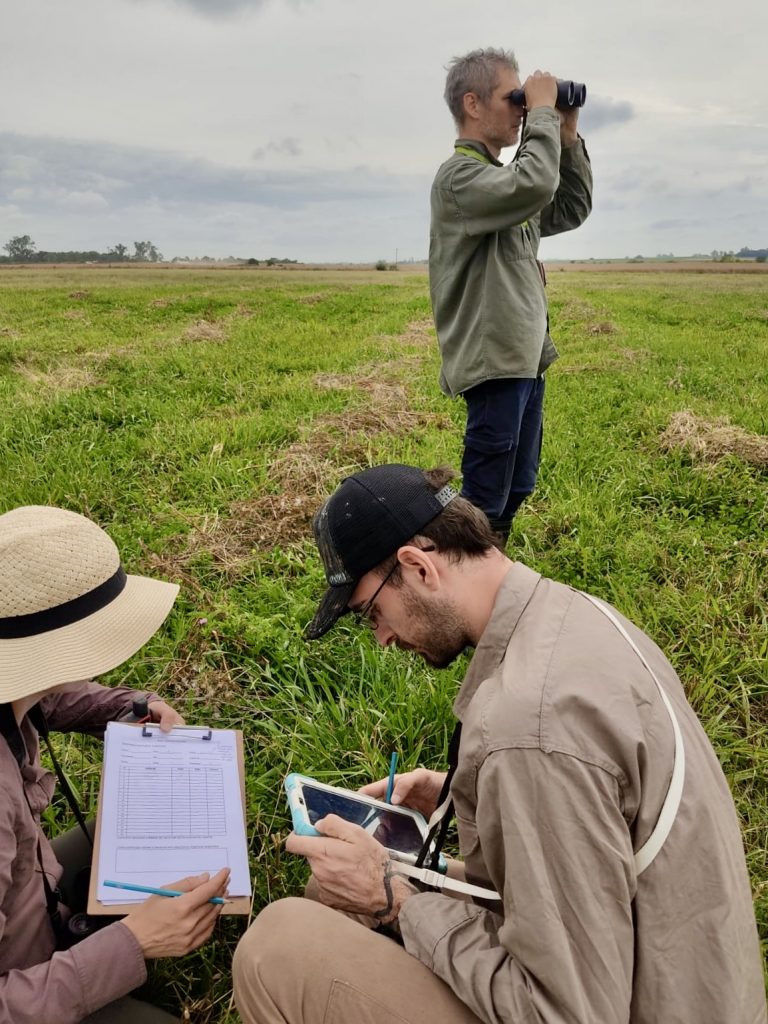
Recently, we took part in a pilot case study done by CampoGIS and funded by 5th World, aimed at exploring how different farming systems impact biodiversity in the Pampas region of Argentina. Eight farms, conventional, organic, and regenerative, were observed using field indicators such as:
🕸️ Arthropods | 🐸Amphibians | 🐝 Pollinators | 🦅 Birds | 🌳 Vegetation | 🌱 Land cover
As Europe goes through one of the most severe heat waves in recent times, it becomes harder to keep looking the other way. Two years ago something similar happened in Argentina and the Southern Cone. Time and again, the story keeps being told around the globe. Extreme heat is no longer a regional event. It is a shared reality.
When we talk about carbon removal, most of the attention goes to trees. But some of the most important work is happening beneath our feet, in the soils of the world’s grasslands — including the very ground on which La Delia Verde is rooted.
As we feed the soil, we also feed our social field — and it is growing in both width and depth every single day. Regeneration, at La Delia Verde, it is the slow, deliberate weaving of a living web of relationships that sustains the work above and below ground.
At La Delia Verde we are passionate about systemic change in the agri–food–health sector, and we work daily to make it happen.
People often ask us: “How do you know regenerative agriculture works?” We know because we work, we observe, and we measure.
Recently, we took part in a pilot case study done by CampoGIS and funded by 5th World, aimed at exploring how different farming systems impact biodiversity in the Pampas region of Argentina. Eight farms, conventional, organic, and regenerative, were observed using field indicators such as:
🕸️ Arthropods | 🐸Amphibians | 🐝 Pollinators | 🦅 Birds | 🌳 Vegetation | 🌱 Land cover