To Face Climate Change, We Must Transform the Food System
As Europe goes through one of the most severe heat waves in recent times, it becomes harder to keep looking the other way. Two years ago something similar happened in Argentina and the Southern Cone. Time and again, the story keeps being told around the globe. Extreme heat is no longer a regional event. It is a shared reality.
The numbers we can no longer ignore
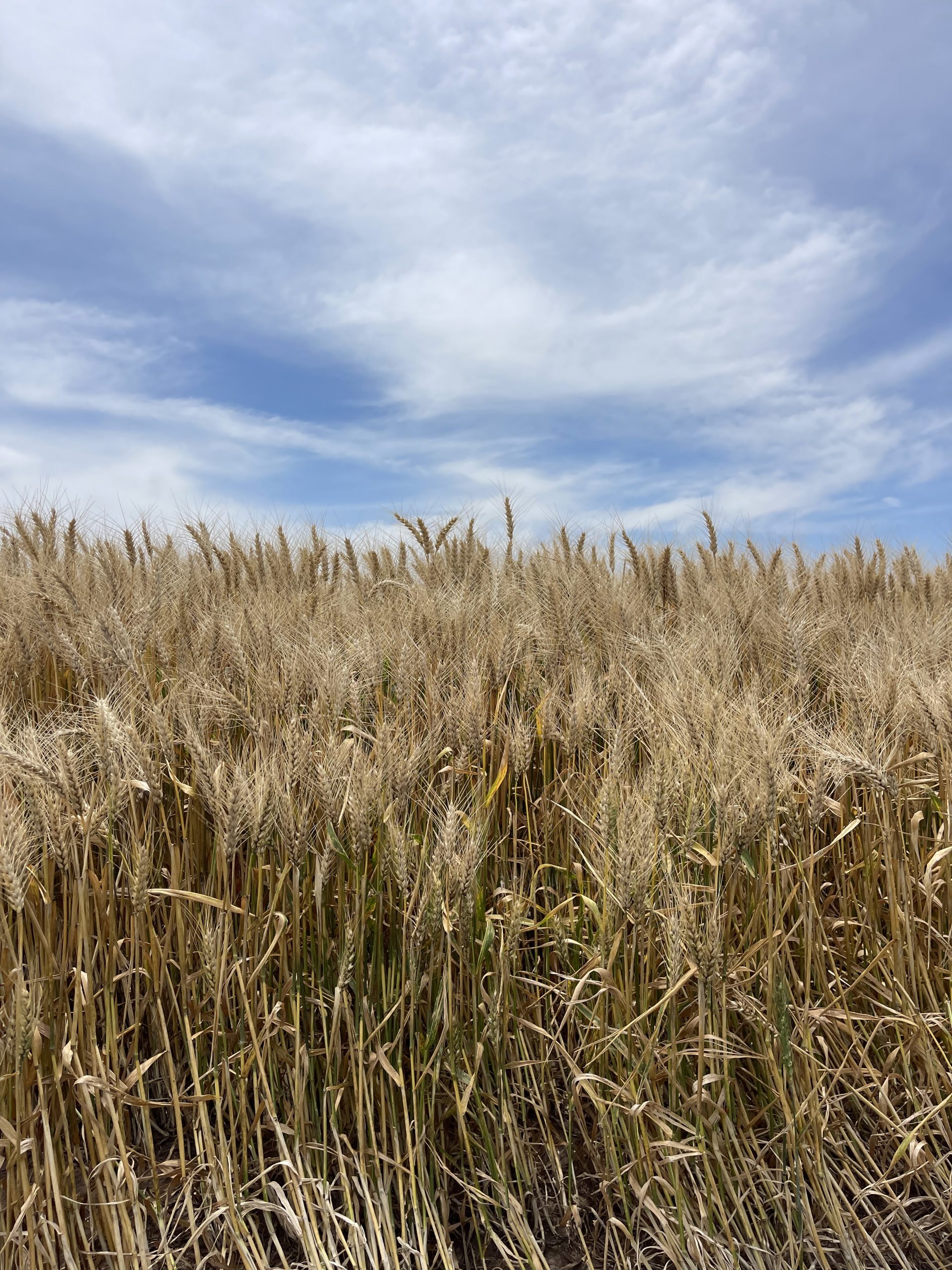
The FAO and the World Meteorological Organization have just reminded us of something producers have known for a long time: for every degree of warming, corn yields fall 7.5% and wheat yields fall 6%.
These are not abstract projections. They translate into less food on tables, higher prices, and mounting pressure on the people who grow it. Food is not produced in a vacuum — it is produced in a living ecosystem we cannot keep degrading.
The evidence has piled up for decades. What has changed is that the consequences are now impossible to ignore, on every continent, every season.
Why the food system is at the center of the climate crisis
Agriculture is often framed as a victim of climate change. It is also, when practiced conventionally, one of its largest drivers — through soil degradation, biodiversity loss, deforestation, and emissions from land use change.
But this same fact is what makes agriculture one of the most powerful levers for climate action. The food system touches every ecosystem, every economy, and every person on the planet. Transforming how food is produced is not a peripheral fix. It is central to any credible response to the climate crisis.
The only way forward is to regenerate
At La Delia Verde, we have been working for years convinced that there is another way to produce food. One that cares for the soil, the water, biodiversity, and the people who make each harvest and each cattle-raising cycle possible.
That way has a name: Regenerative Agriculture. Not as a label, but as a set of practices that rebuild what industrial models have depleted. Soils that hold more carbon and more water. Landscapes that support pollinators and native species. Livestock integrated into cycles that renew the land rather than exhaust it.
Our conviction is grounded in two things: the growing scientific evidence supporting these practices, and the certainty that the decisions we make each season are also decisions about the kind of world we want to live in, and how.
What a regenerative farm looks like in practice
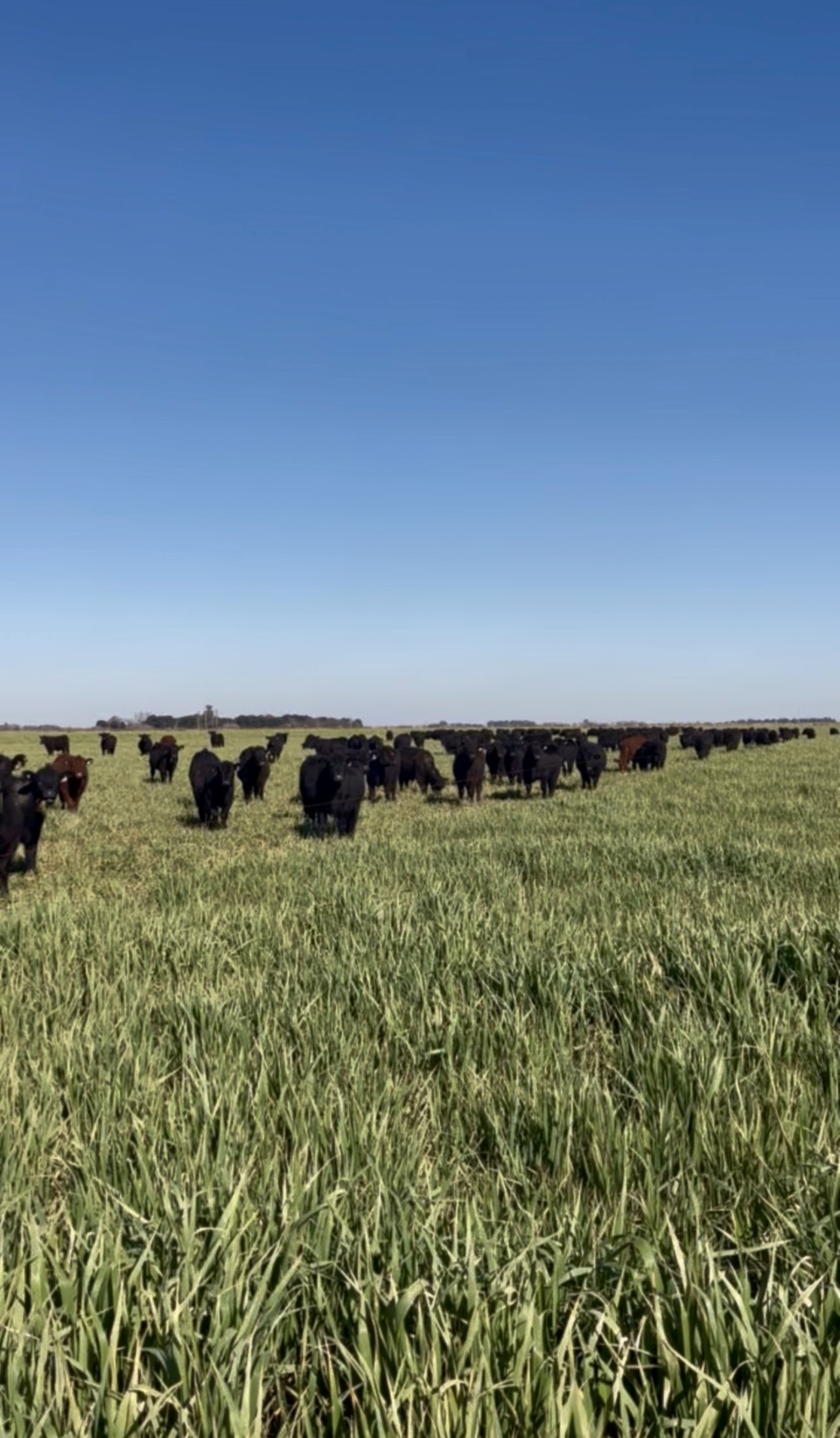
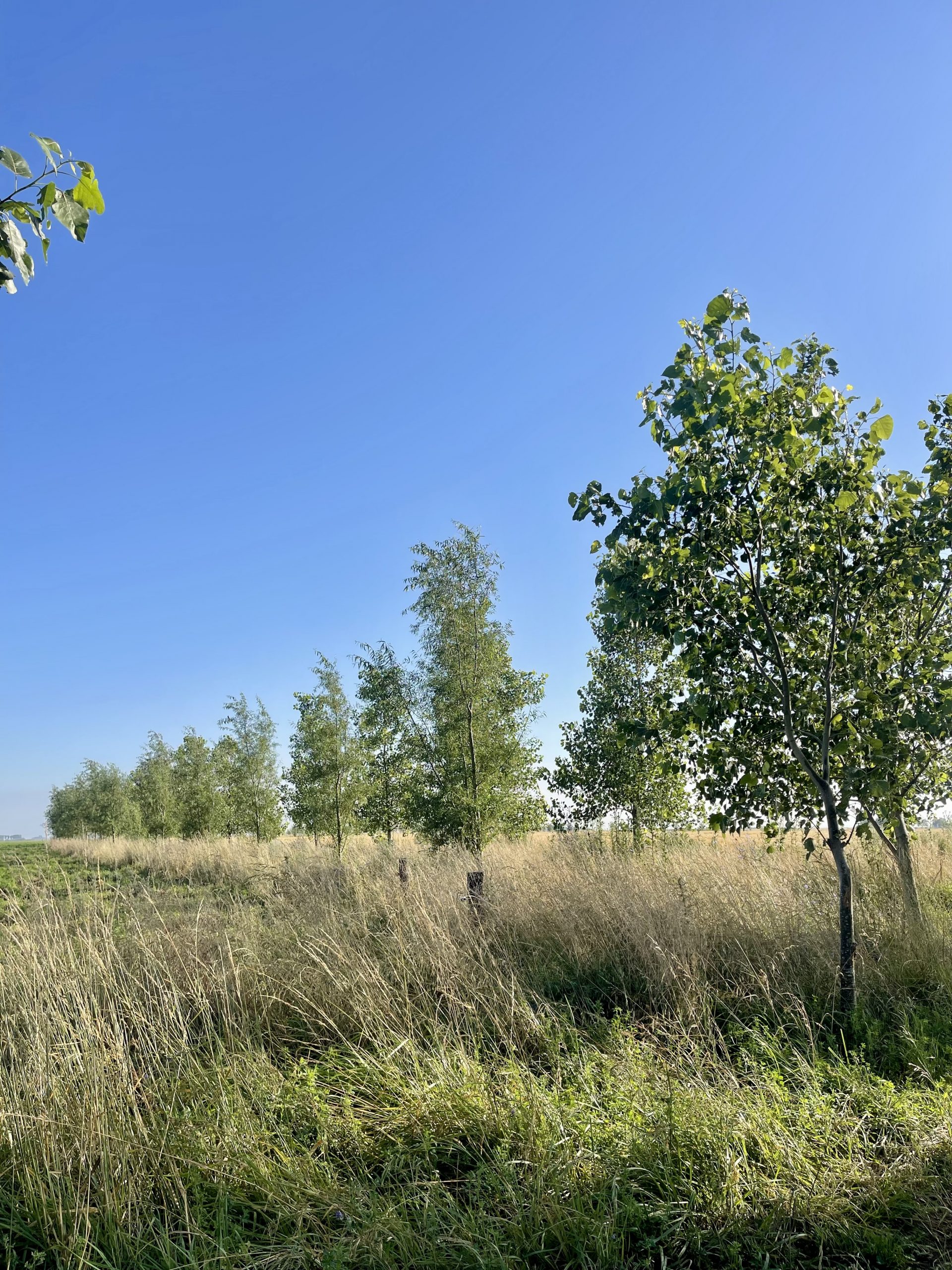
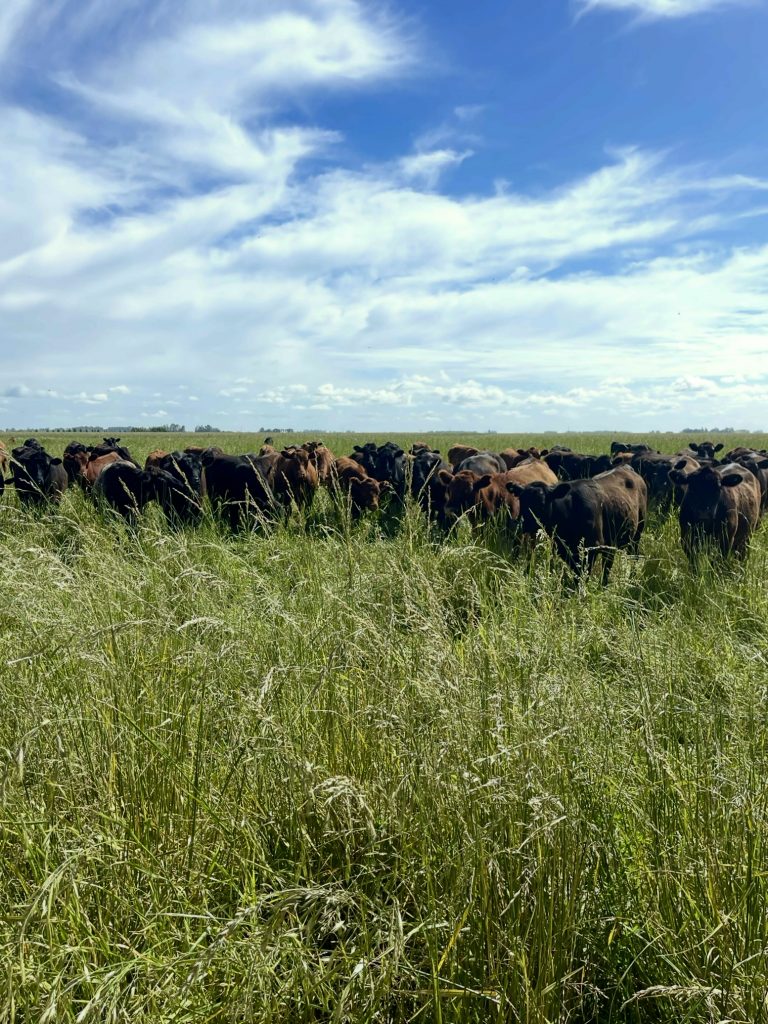
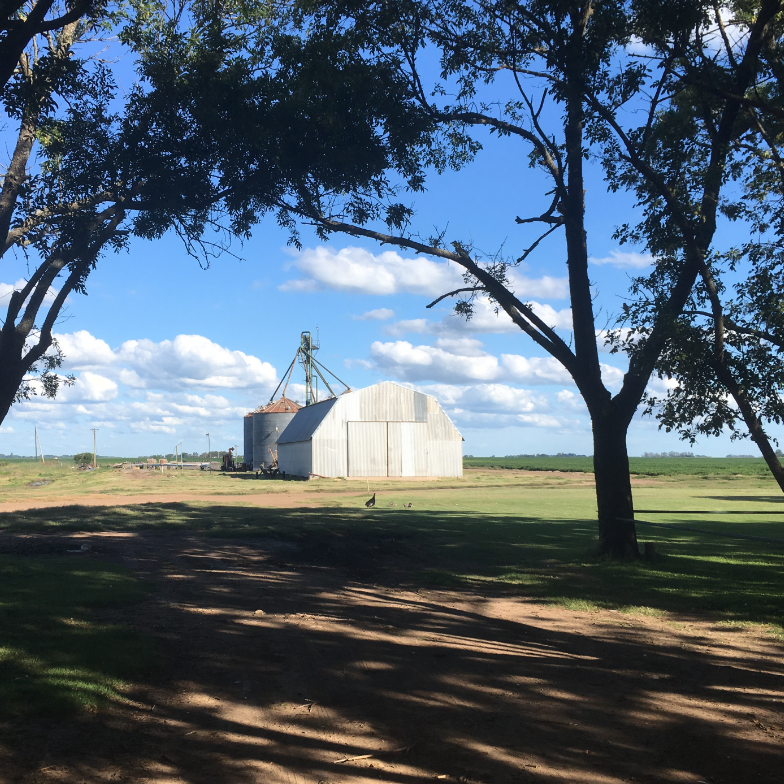
Our farm is a landscape-wide, multi-species Regenerative System, designed to build resilience to the very extremes the climate is now delivering. This means:
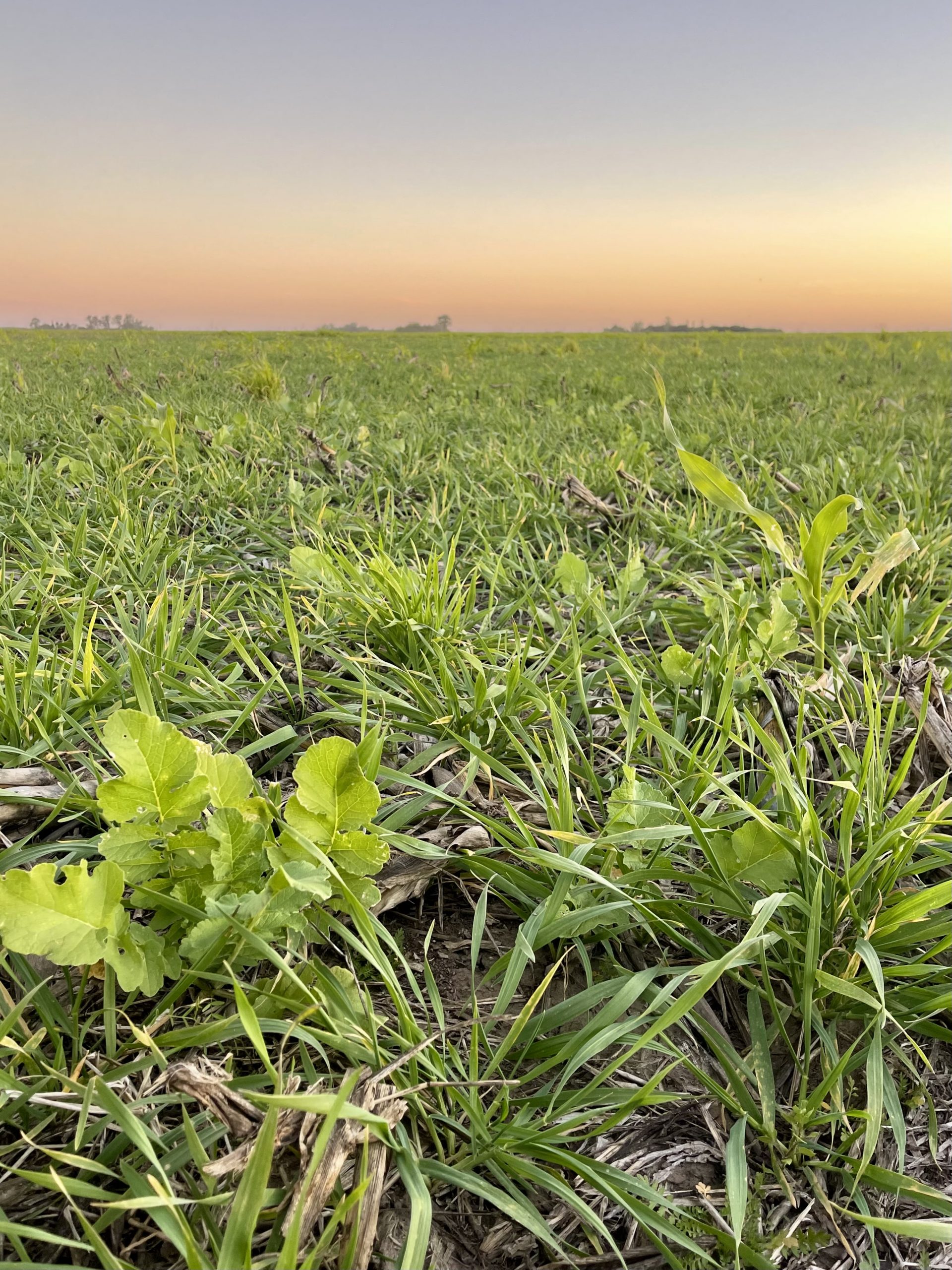
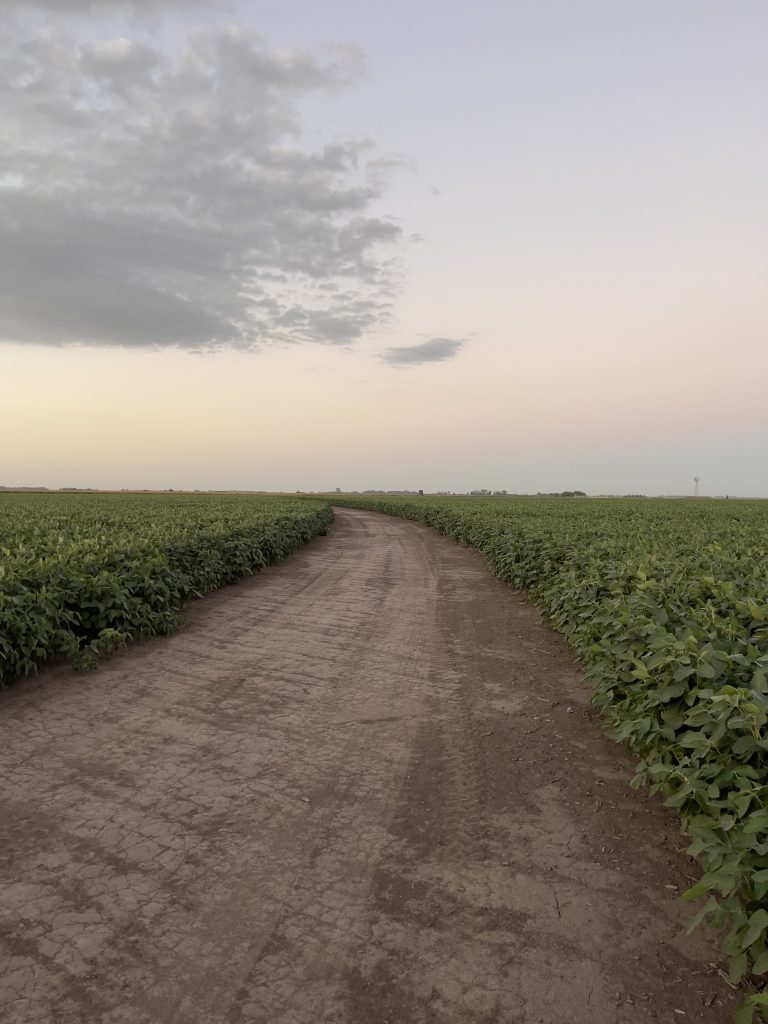
- Diverse pastures and cover crops that protect and rebuild soil.
- Integrated livestock managed to mimic the way native herds once shaped these grasslands.
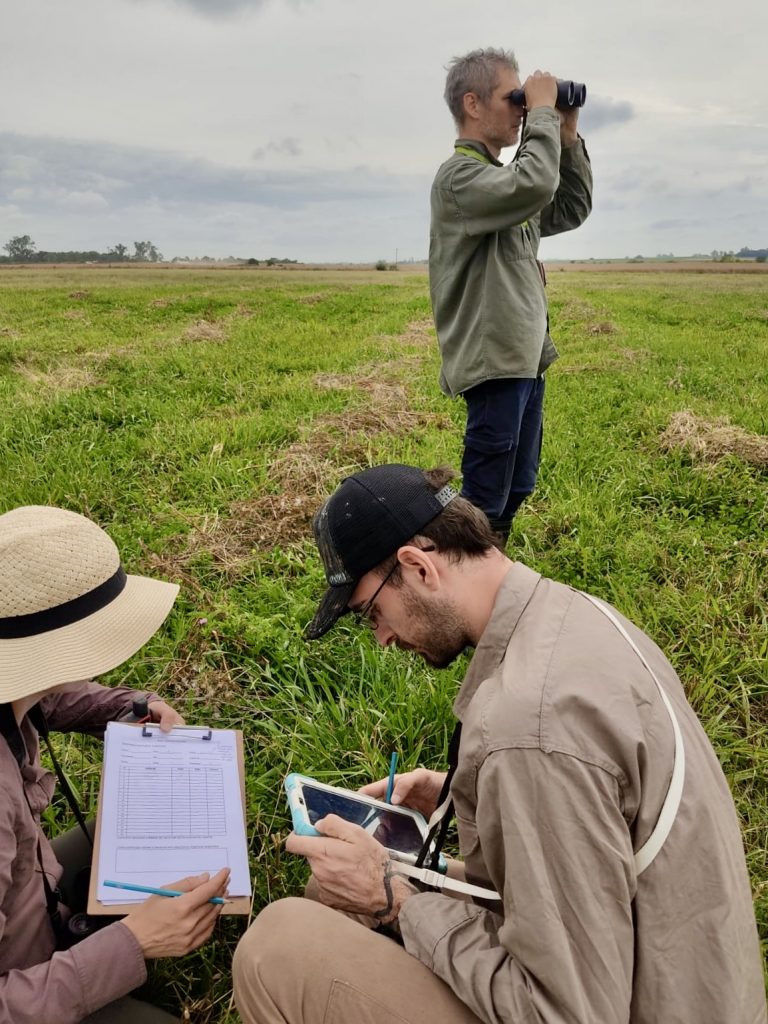
- Long-term monitoring of soil, water, and biodiversity — because what is not measured cannot be improved.
- High-quality food that gives back to the ecosystem that produced it, rather than drawing it down.
This is not a return to the past. It is a step forward — one that combines ancestral wisdom with contemporary science, applied at scale.
Change is a decision
The climate crisis can feel too big to act on. Regenerative Agriculture reminds us that it is also profoundly local. Every paddock, every rotation, every seed, every meal is a decision. And every decision compounds.
Change is a decision. When the decision is collective, change happens.
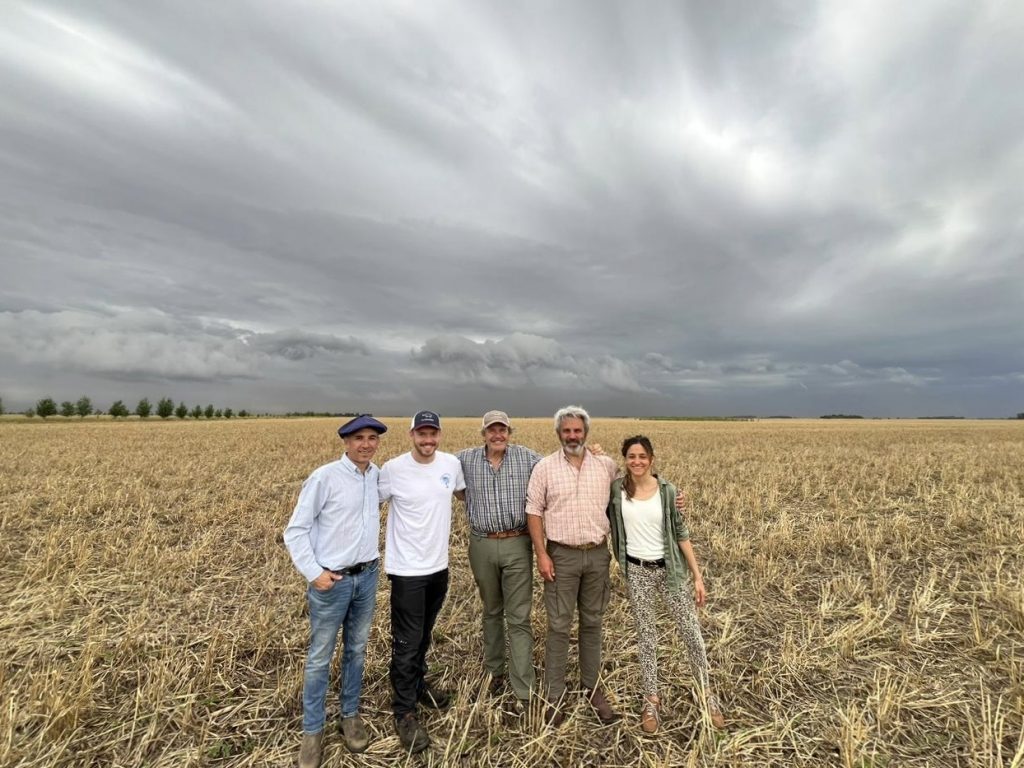
At La Delia Verde, we are one farm — but we are part of a growing community of producers, researchers, institutions, and eaters choosing to be part of that collective decision. The invitation is open.
Want to be part of this conversation? Subscribe to our newsletter and follow our journey.