Pampas Case Study
At La Delia Verde we are passionate about systemic change in the agri–food–health sector, and we work daily to make it happen.
People often ask us: “How do you know regenerative agriculture works?” We know because we work, we observe, and we measure.
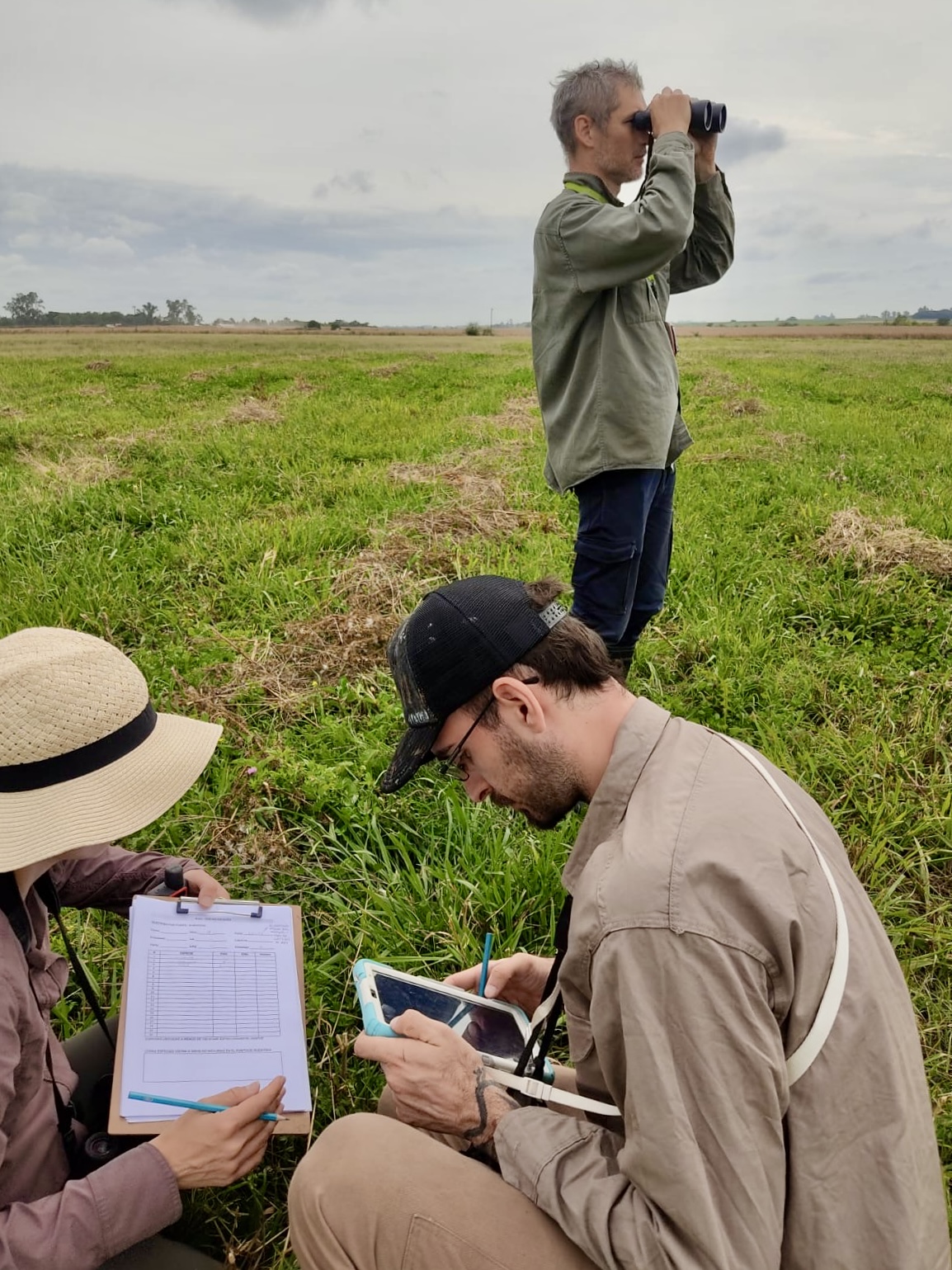
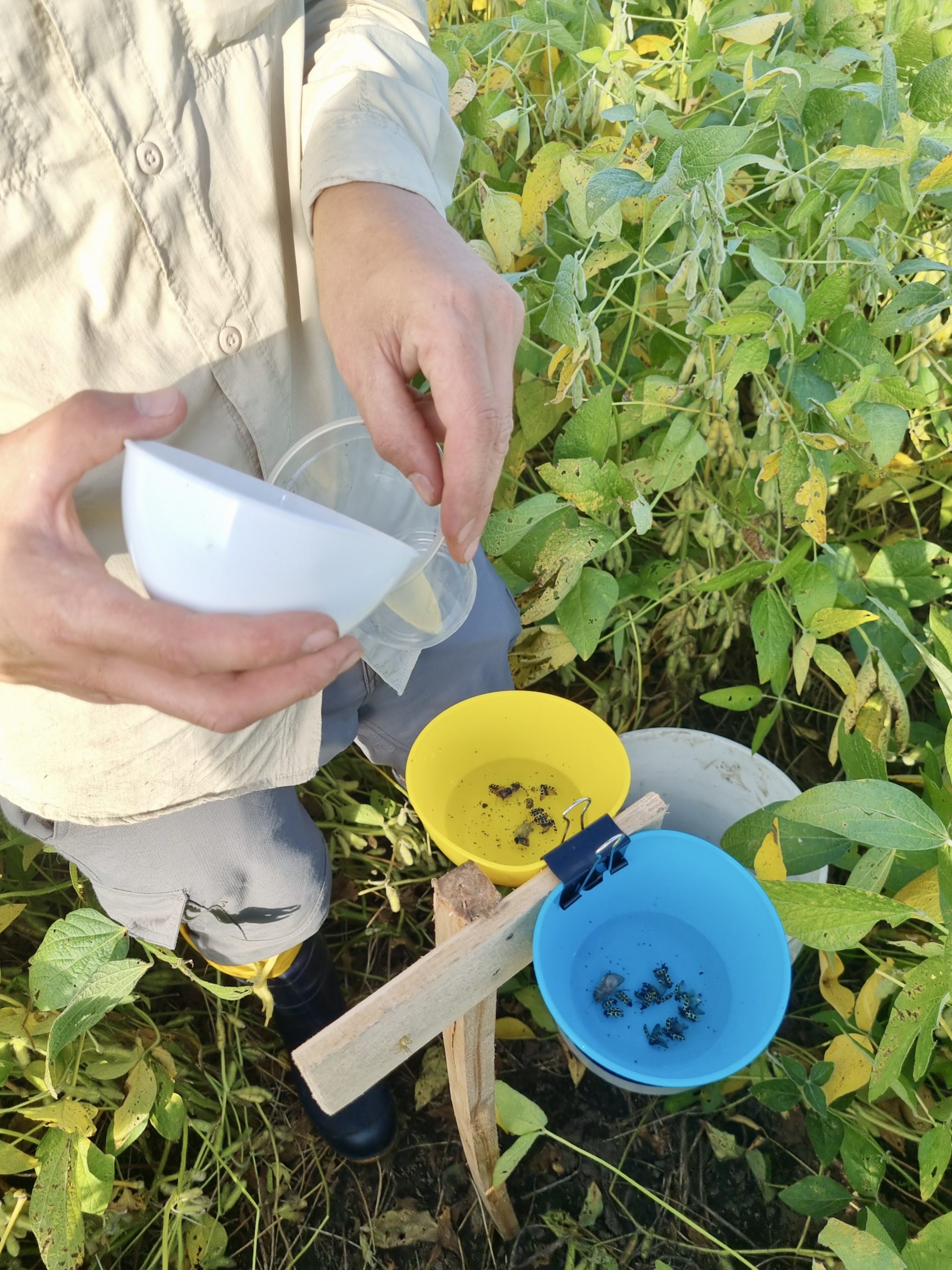
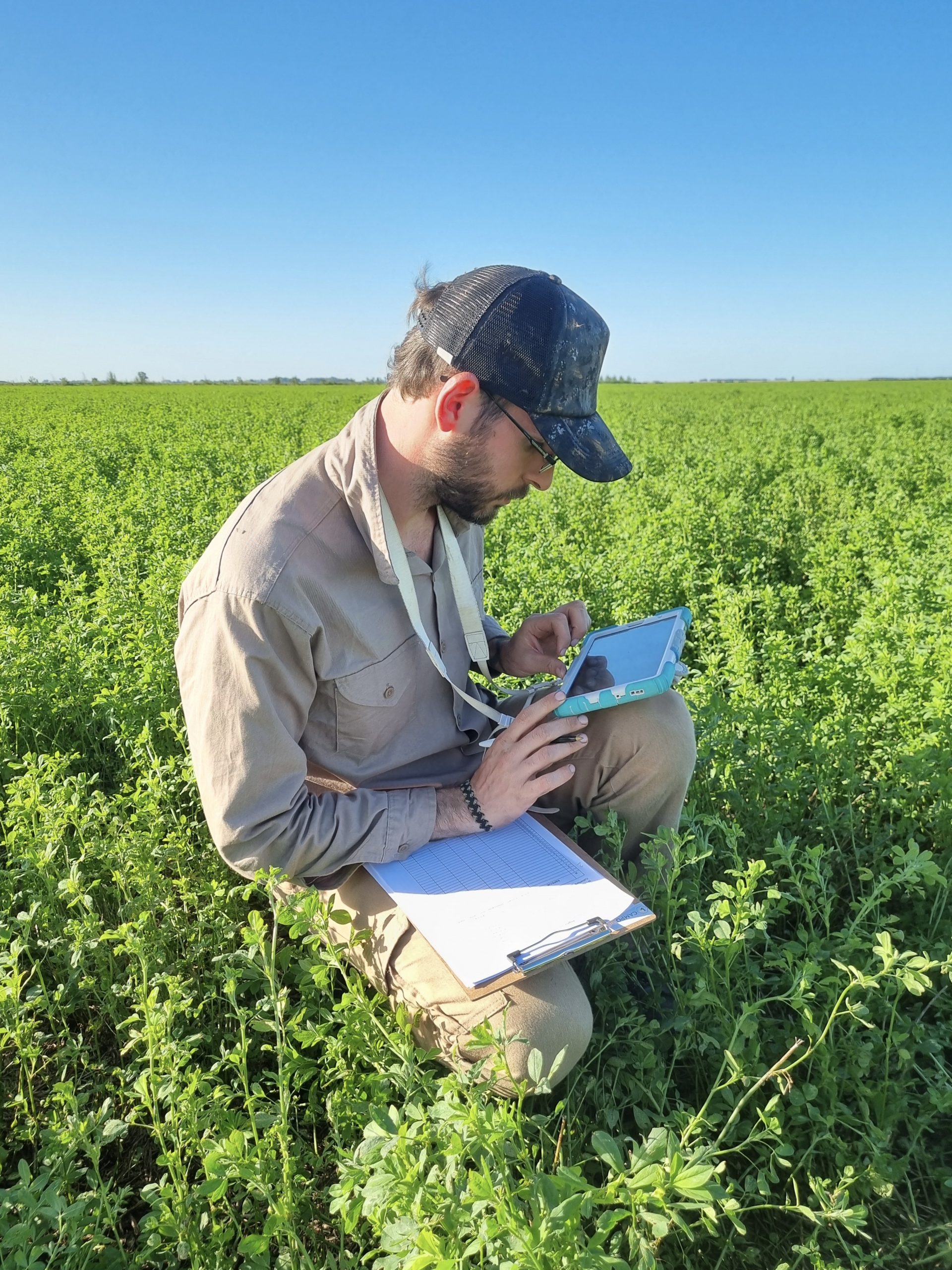
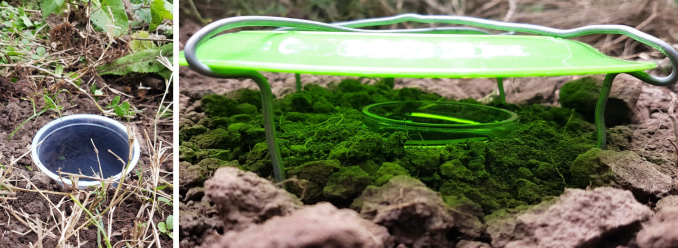
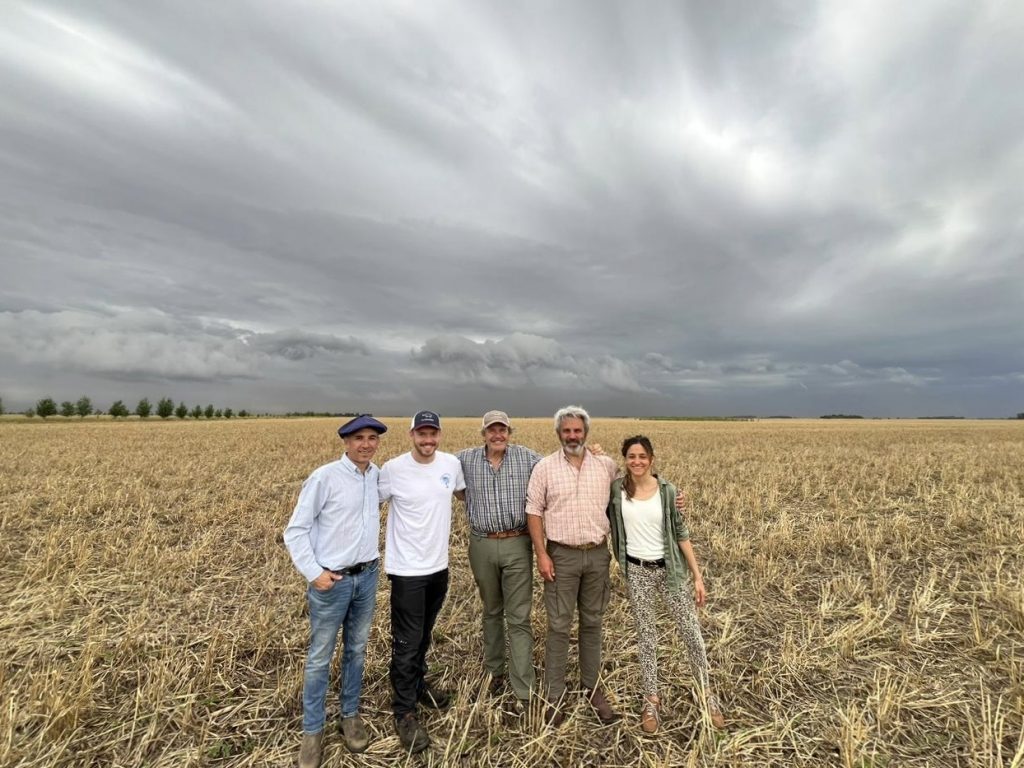
Recently, we took part in a pilot case study done by CampoGIS and funded by 5th World, aimed at exploring how different farming systems impact biodiversity in the Pampas region of Argentina. Eight farms, conventional, organic, and regenerative, were observed using field indicators such as:
🕸️ Arthropods | 🐸Amphibians | 🐝 Pollinators | 🦅 Birds | 🌳 Vegetation | 🌱 Land cover
While this was an early-stage effort with important assumptions and context-specific variables, La Delia Verde was noted for strong results, including:
• 25 pollinator families
• 70+ ground-dwelling arthropods per trap
• 5 grassland bird species
• 100% ground cover in key plots
Since 2019, our journey has been about far more than yield. It is about restoring ecosystems rooted in our local reality and guided by environmental, social, and economic dimensions, always with past, present, and future generations in mind.
This case study reflects our commitment with scientific research as a foundation of our work on learning, implementing and improving regeneration, and as a driver of innovation.

More News From the
Lab Without a Roof
As Europe goes through one of the most severe heat waves in recent times, it becomes harder to keep looking the other way. Two years ago something similar happened in Argentina and the Southern Cone. Time and again, the story keeps being told around the globe. Extreme heat is no longer a regional event. It is a shared reality.
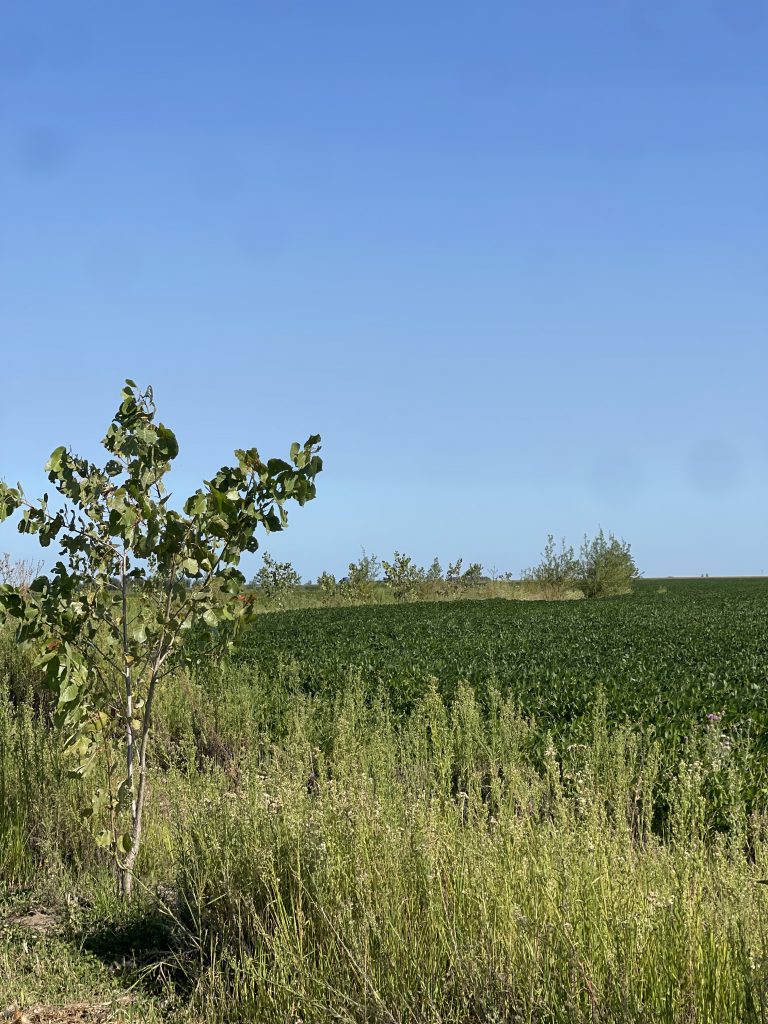
When we talk about carbon removal, most of the attention goes to trees. But some of the most important work is happening beneath our feet, in the soils of the world’s grasslands — including the very ground on which La Delia Verde is rooted.
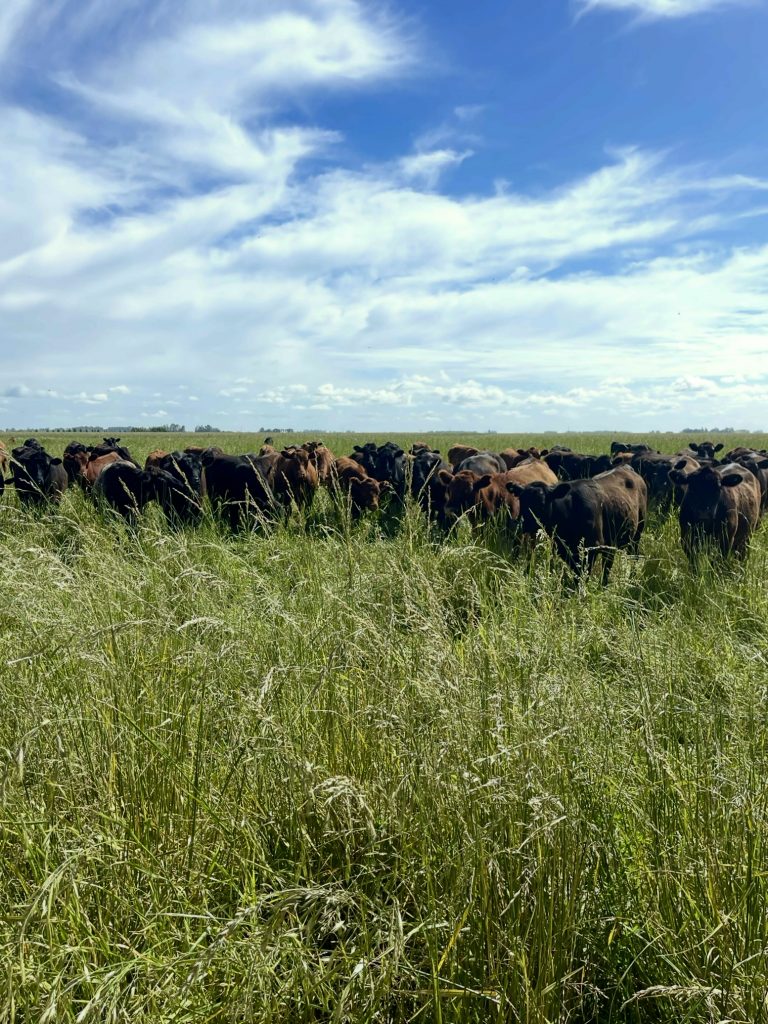
As we feed the soil, we also feed our social field — and it is growing in both width and depth every single day. Regeneration, at La Delia Verde, it is the slow, deliberate weaving of a living web of relationships that sustains the work above and below ground.
Did you know today’s food has fewer nutrients than it did 50 years ago? Studies show 30 to 50% losses in essential vitamins and minerals — iron, zinc, calcium, vitamin C, and B vitamins among them. The reason is not accidental: it lies beneath our feet, in the soil that grows our food.
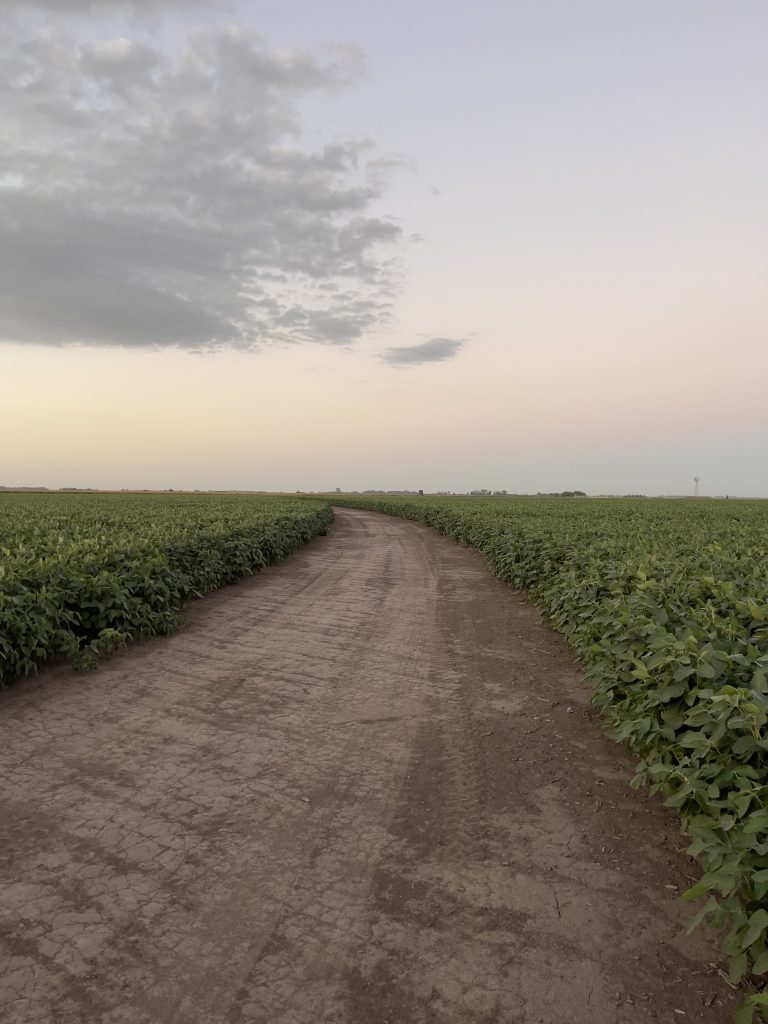
As Europe goes through one of the most severe heat waves in recent times, it becomes harder to keep looking the other way. Two years ago something similar happened in Argentina and the Southern Cone. Time and again, the story keeps being told around the globe. Extreme heat is no longer a regional event. It is a shared reality.
When we talk about carbon removal, most of the attention goes to trees. But some of the most important work is happening beneath our feet, in the soils of the world’s grasslands — including the very ground on which La Delia Verde is rooted.
As we feed the soil, we also feed our social field — and it is growing in both width and depth every single day. Regeneration, at La Delia Verde, it is the slow, deliberate weaving of a living web of relationships that sustains the work above and below ground.
Did you know today’s food has fewer nutrients than it did 50 years ago? Studies show 30 to 50% losses in essential vitamins and minerals — iron, zinc, calcium, vitamin C, and B vitamins among them. The reason is not accidental: it lies beneath our feet, in the soil that grows our food.