Grasslands and Carbon Sequestration: The Quiet Work Beneath Our Feet
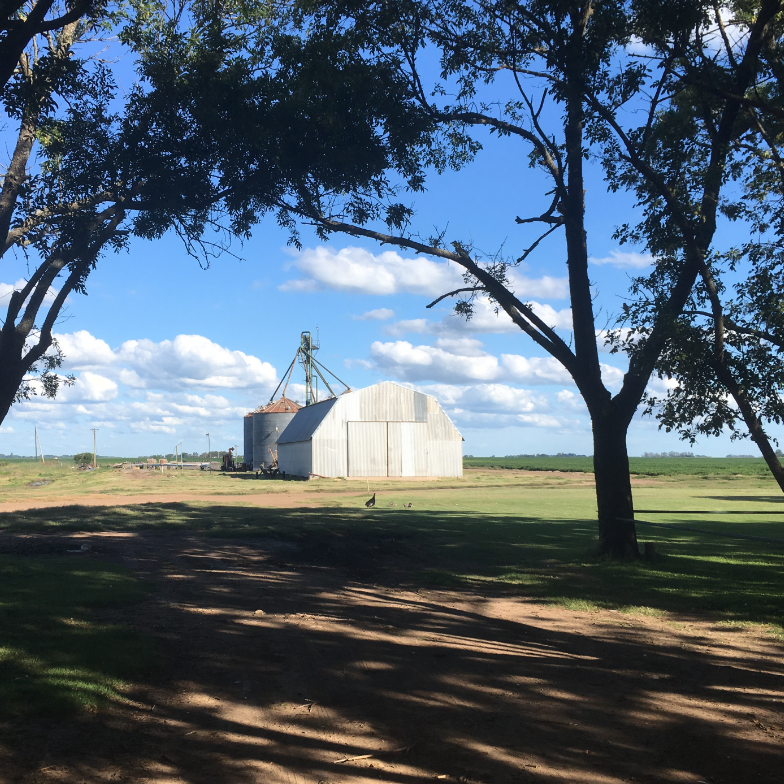
When we talk about carbon removal, most of the attention goes to trees. But some of the most important work is happening beneath our feet, in the soils of the world’s grasslands — including the very ground on which La Delia Verde is rooted.
The overlooked half of Earth’s land surface
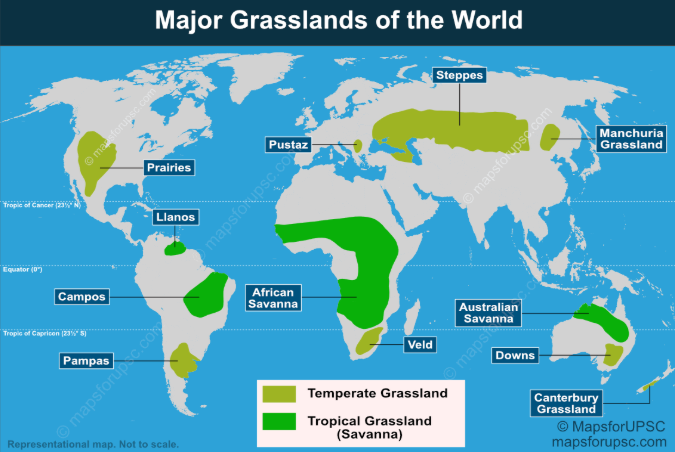
Grasslands cover nearly half of the Earth’s land surface. From the North American Prairies and the Eurasian Steppes to the African Savannas, the Australian Downs, and the Pampas of South America, they form some of the largest and most productive ecosystems on the planet — and some of the most misunderstood.
Unlike forests, grasslands do not announce their ecological weight from above. Their power lies underground, where dense root systems and living soils build one of the largest and most stable carbon reservoirs on Earth.
Where grasslands store their carbon
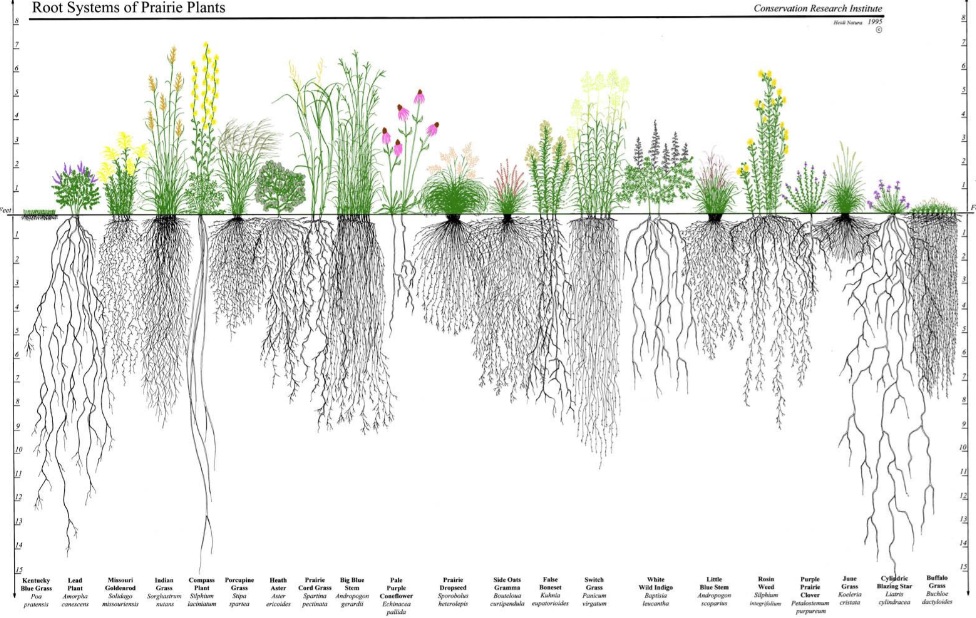
Trees store most of their carbon aboveground, in trunks and branches. Grasslands do the opposite: they store most of their carbon belowground, in root networks and organic matter that can extend meters deep into the soil.
This belowground storage matters for three reasons.
It is more stable. Carbon locked in soil is far less exposed to fire and drought than carbon stored in trees. In a warming climate with more frequent extreme events, belowground carbon is a more reliable sink.
It is more resilient. Healthy grassland roots continue to feed soil life even in stress conditions, sustaining biodiversity, water cycles, and productivity.
It stays locked in longer. Soil carbon can remain sequestered for decades or centuries when the soil is well managed — a timescale that matters for real climate action.
At the same time, healthy grasslands support pollinators, native wildlife, water infiltration, and food production. They are not only carbon sinks; they are the connective tissue of ecosystems.
The Pampas: a story of degradation and possibility
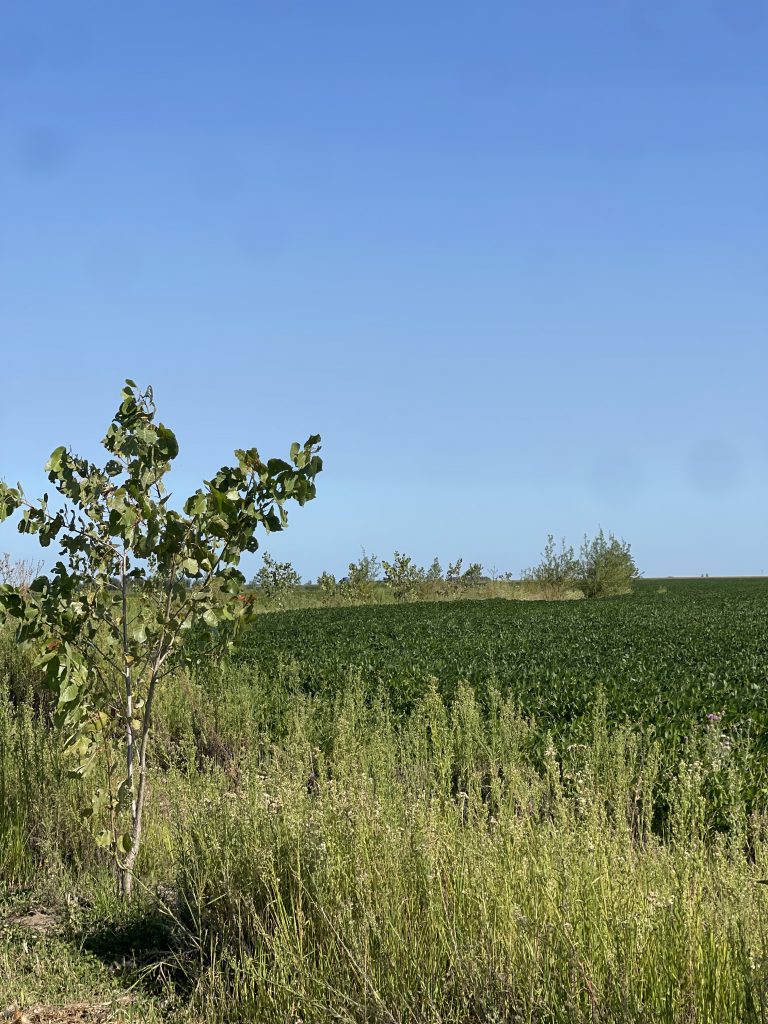
The Argentine Pampas are one of the most fertile grassland ecosystems in the world. But decades of simplified land use — monocultures, intensive tillage, and the loss of native pastures — have degraded their soils. Organic matter has declined, biodiversity has thinned, and the carbon that once accumulated deep in the ground has been released back into the atmosphere.
This is the story of much of the world’s arable land, and it is why the Pampas today are both a site of loss and a site of opportunity. What has been degraded can be regenerated. The scale of what’s possible is significant precisely because the scale of what’s been lost is significant.
How Regenerative Agriculture reverses the trend
Regenerative Agriculture offers a proven path to shift grasslands from carbon loss to carbon accumulation. Through practices such as rotational grazing, cover crops, minimal disturbance, biodiversity restoration, and integrated livestock, degraded grasslands can begin to rebuild the belowground systems that store carbon and sustain life.
When these Regenerative Systems recover:
- Roots grow deeper. Deep-rooted perennial grasses reach further into the soil profile, expanding the carbon reservoir.
- Soils rebuild. Organic matter accumulates as plant residues and root exudates feed microbial communities.
- Water is retained. Healthier soil structure holds more water, buffering drought and reducing runoff.
- Productivity becomes more resilient year after year, sustaining both livestock and wildlife.
This is not a slow bet on some distant technology. It is a practice already underway, on real land, delivering real results.
Our work at La Delia Verde
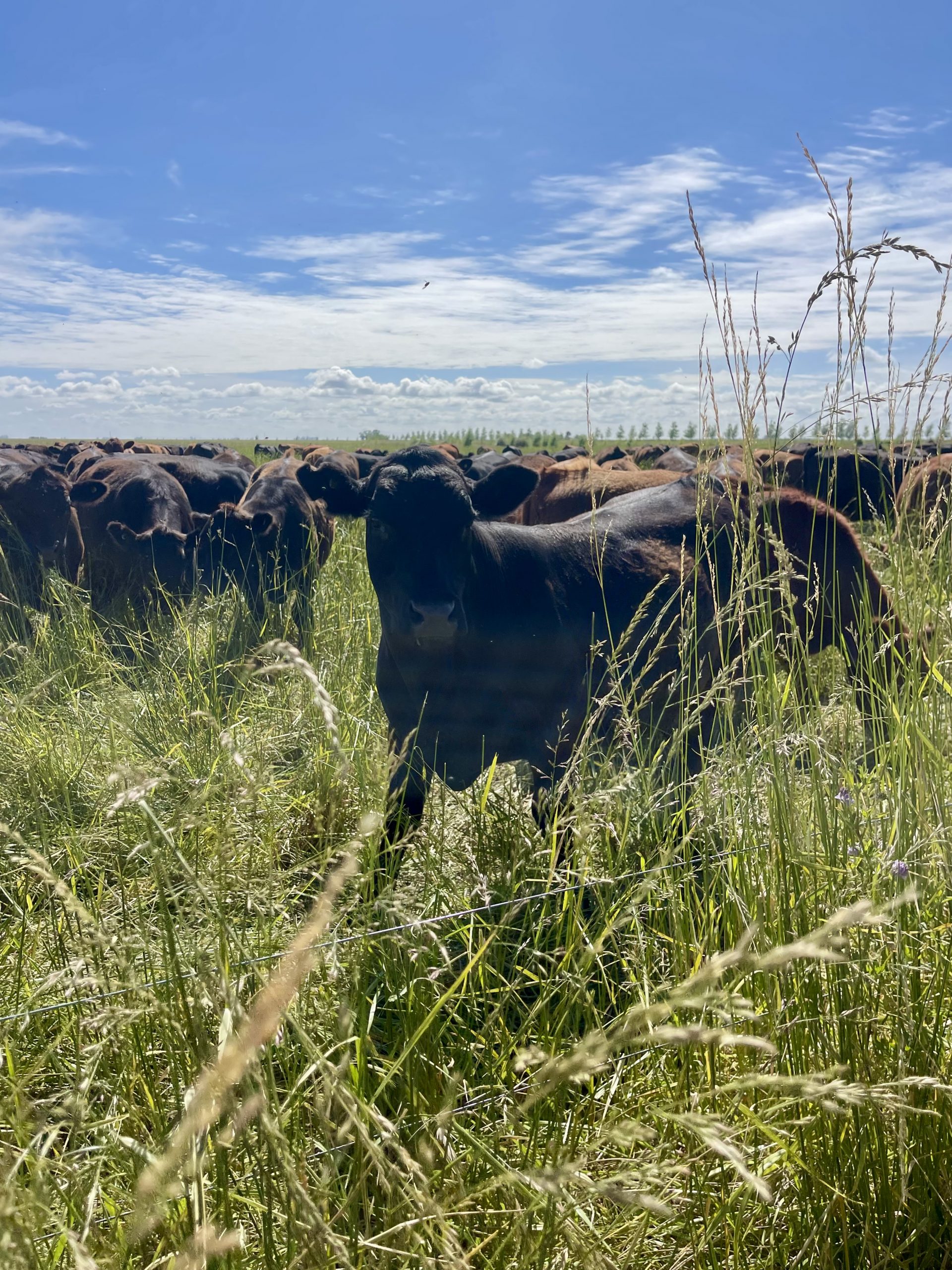
At La Delia Verde, our team works to bring life back to the Pampas — one paddock, one rotation, one season at a time. Every practice we implement — from multi-species pastures to integrated livestock and long-term soil monitoring — is designed to move the ecosystem in one direction: from degradation to accumulation.
We are also working to inspire more producers to go beyond, transforming degraded fields into resilient, carbon-sequestering ecosystems. Because the transition of the Pampas will not be led by a single farm. It will be led by a growing community of producers, researchers, institutions, and partners choosing to work with the land, not against it.
Healthy soils may seem invisible. But they change everything.
Want to keep learning with us? Subscribe to our newsletter and follow our regenerative journey.
More News From the
Lab Without a Roof
As Europe goes through one of the most severe heat waves in recent times, it becomes harder to keep looking the other way. Two years ago something similar happened in Argentina and the Southern Cone. Time and again, the story keeps being told around the globe. Extreme heat is no longer a regional event. It is a shared reality.
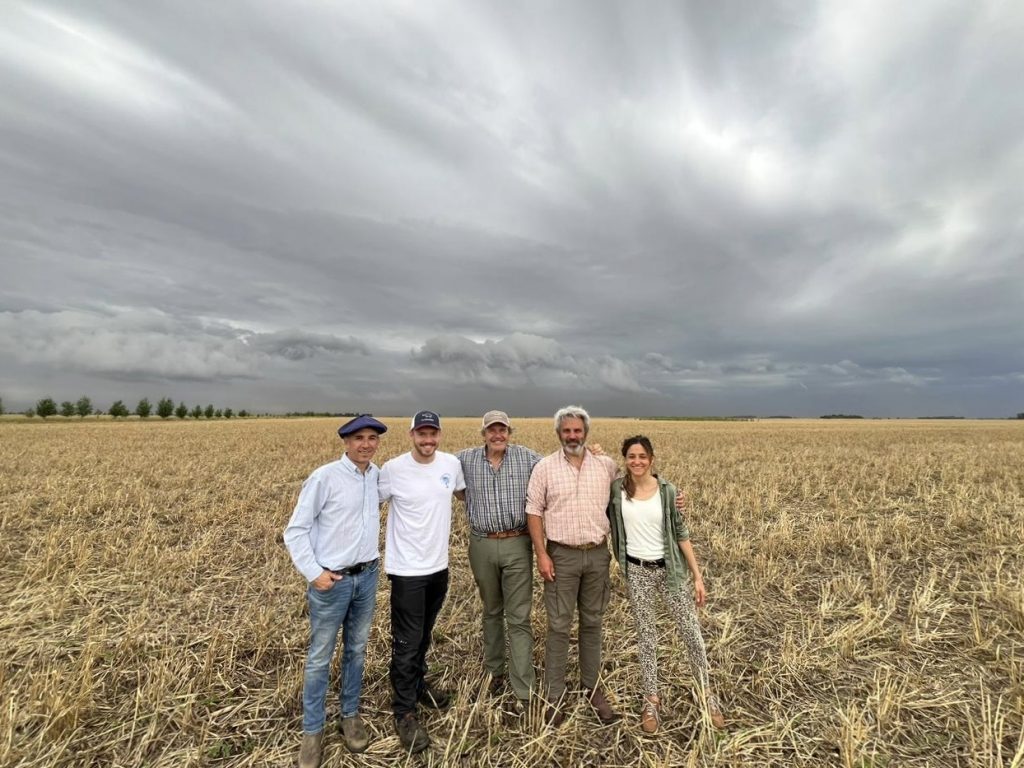
As we feed the soil, we also feed our social field — and it is growing in both width and depth every single day. Regeneration, at La Delia Verde, it is the slow, deliberate weaving of a living web of relationships that sustains the work above and below ground.
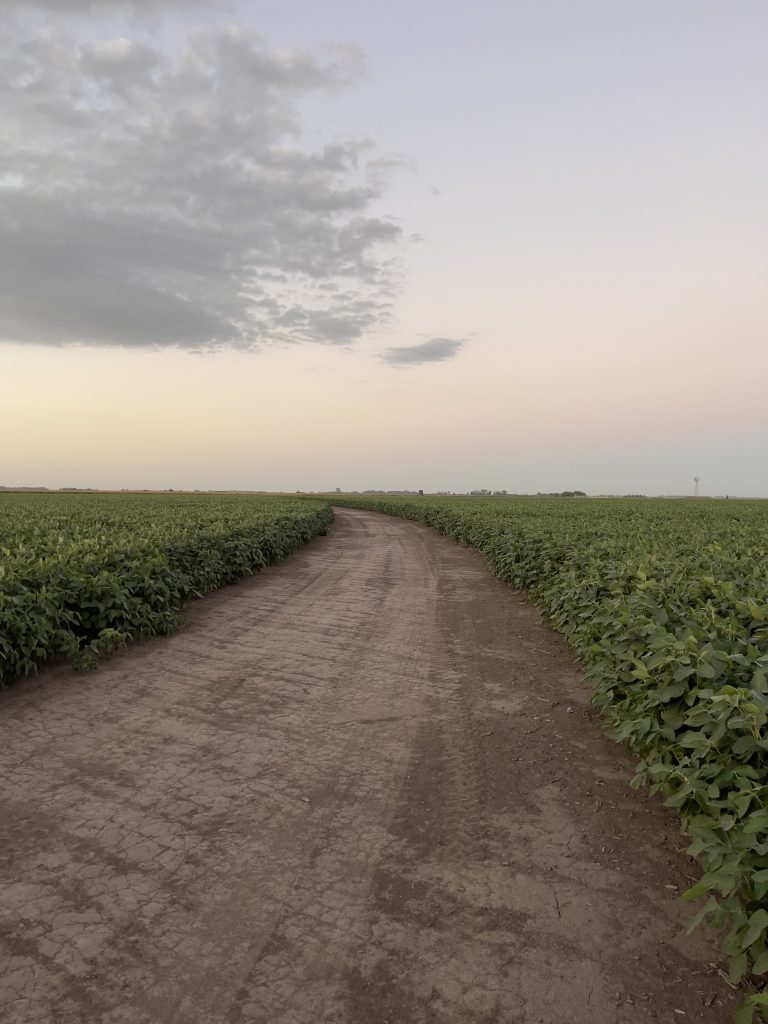
Did you know today’s food has fewer nutrients than it did 50 years ago? Studies show 30 to 50% losses in essential vitamins and minerals — iron, zinc, calcium, vitamin C, and B vitamins among them. The reason is not accidental: it lies beneath our feet, in the soil that grows our food.
At La Delia Verde we are passionate about systemic change in the agri–food–health sector, and we work daily to make it happen.
People often ask us: “How do you know regenerative agriculture works?” We know because we work, we observe, and we measure.
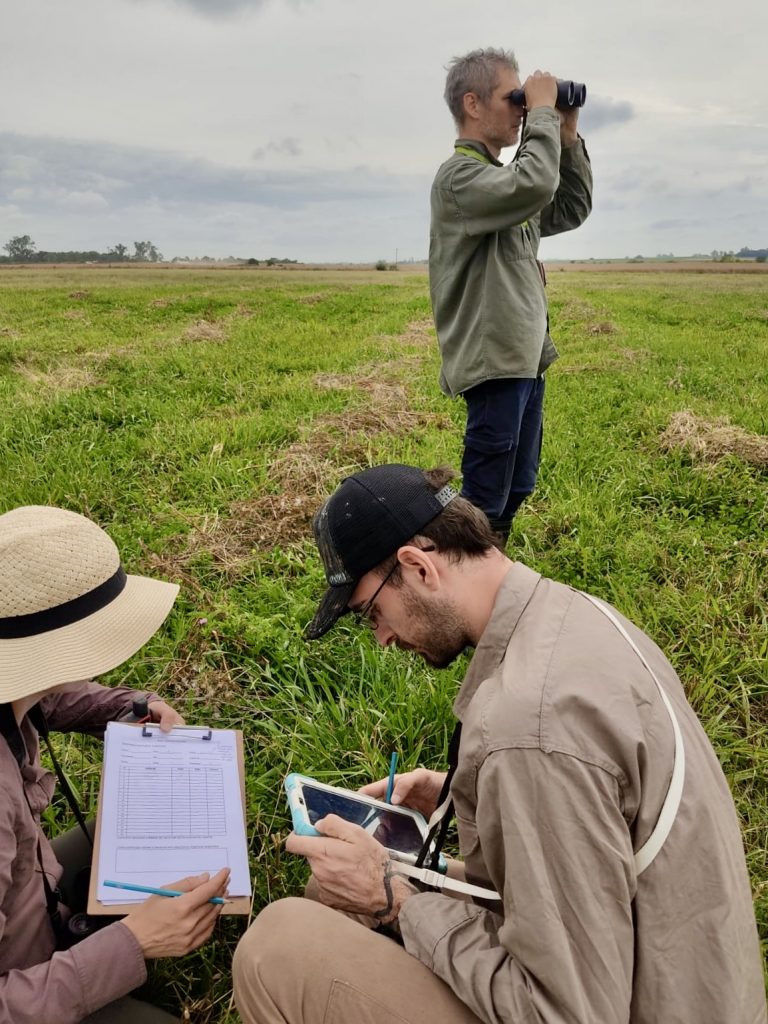
Recently, we took part in a pilot case study done by CampoGIS and funded by 5th World, aimed at exploring how different farming systems impact biodiversity in the Pampas region of Argentina. Eight farms, conventional, organic, and regenerative, were observed using field indicators such as:
🕸️ Arthropods | 🐸Amphibians | 🐝 Pollinators | 🦅 Birds | 🌳 Vegetation | 🌱 Land cover
As Europe goes through one of the most severe heat waves in recent times, it becomes harder to keep looking the other way. Two years ago something similar happened in Argentina and the Southern Cone. Time and again, the story keeps being told around the globe. Extreme heat is no longer a regional event. It is a shared reality.
As we feed the soil, we also feed our social field — and it is growing in both width and depth every single day. Regeneration, at La Delia Verde, it is the slow, deliberate weaving of a living web of relationships that sustains the work above and below ground.
Did you know today’s food has fewer nutrients than it did 50 years ago? Studies show 30 to 50% losses in essential vitamins and minerals — iron, zinc, calcium, vitamin C, and B vitamins among them. The reason is not accidental: it lies beneath our feet, in the soil that grows our food.
At La Delia Verde we are passionate about systemic change in the agri–food–health sector, and we work daily to make it happen.
People often ask us: “How do you know regenerative agriculture works?” We know because we work, we observe, and we measure.
Recently, we took part in a pilot case study done by CampoGIS and funded by 5th World, aimed at exploring how different farming systems impact biodiversity in the Pampas region of Argentina. Eight farms, conventional, organic, and regenerative, were observed using field indicators such as:
🕸️ Arthropods | 🐸Amphibians | 🐝 Pollinators | 🦅 Birds | 🌳 Vegetation | 🌱 Land cover